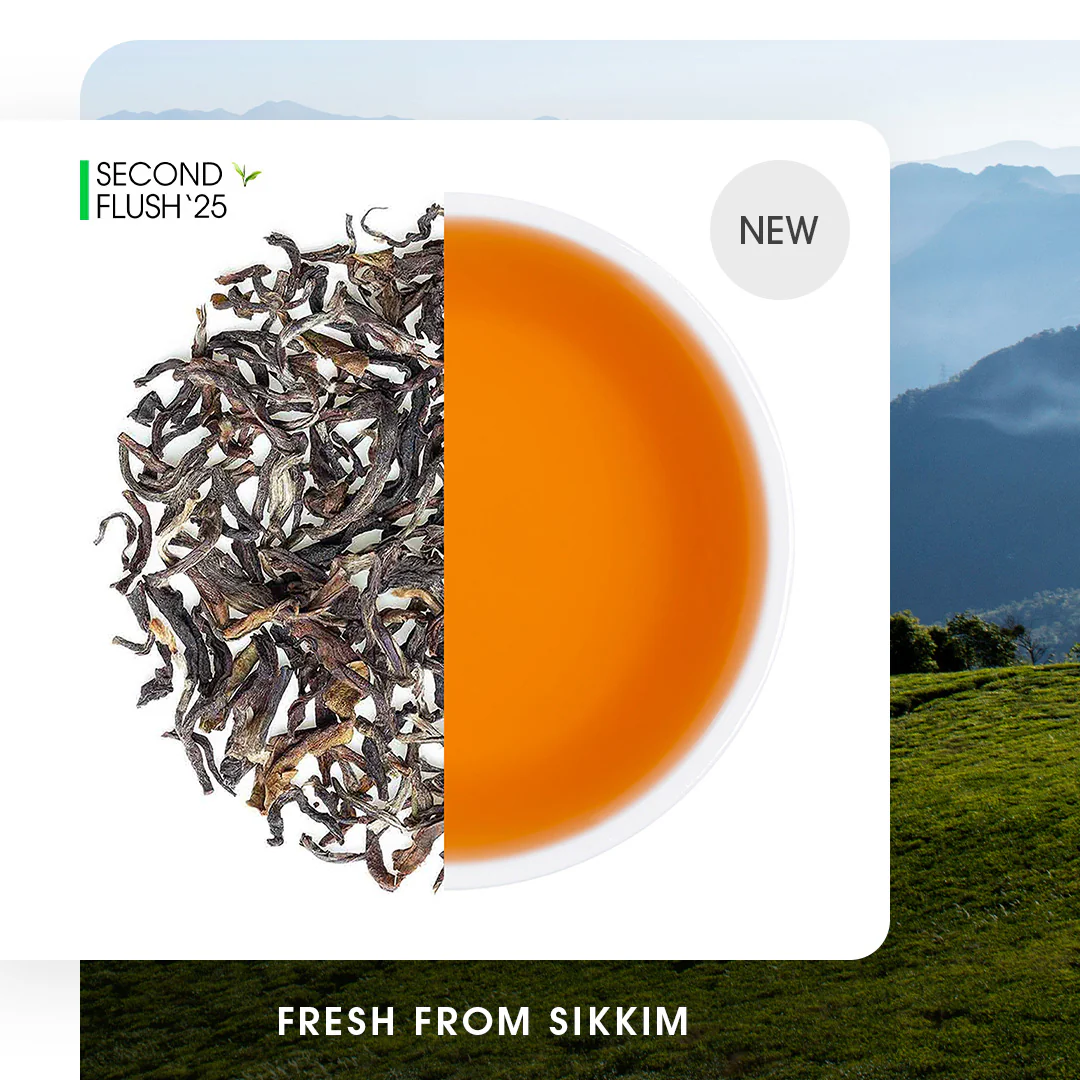
Sikkim Temi Summer Chinary Black
Perched amidst the breathtaking Himalayan landscape, the Temi Tea Estate stands as a symbol of Sikkim’s natural splendor and tea excellence. Established in 1969 by the Government of Sikkim, the estate is renowned for producing exceptional teas amidst awe-inspiring surroundings. Located in Namchi, South Sikkim, Temi enjoys a unique microclimate and nutrient-rich soil—elements that lend a distinct character to its teas.
Set at an elevation of nearly 5,000 feet, Temi’s summer harvest is shaped by altitude and tradition. The estate was envisioned by the then king of Sikkim, Palden Thondup Namgyal, to foster local employment and industry. With guidance from British tea planter Teddy Young, Temi took root as a pioneering initiative—and has remained one of India’s most celebrated highland tea gardens ever since.
In 2005, the estate transitioned fully to organic cultivation under the standards set by Switzerland’s Institute of Marketology (IMO). Spanning over 435 acres, Temi today upholds a legacy of quality, sustainability, and Himalayan heritage—delivering teas that are as soulful as the land they come from.
More Images
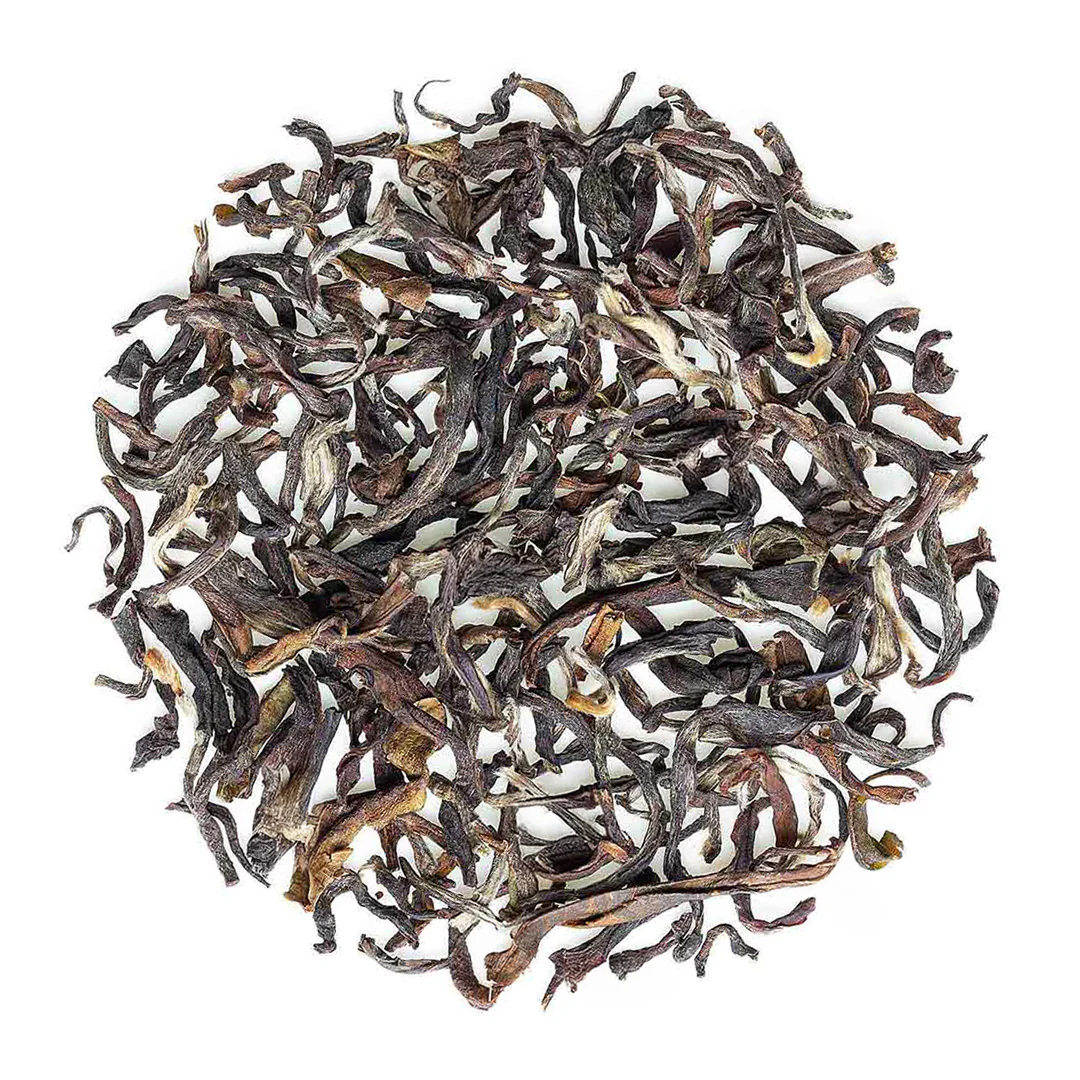

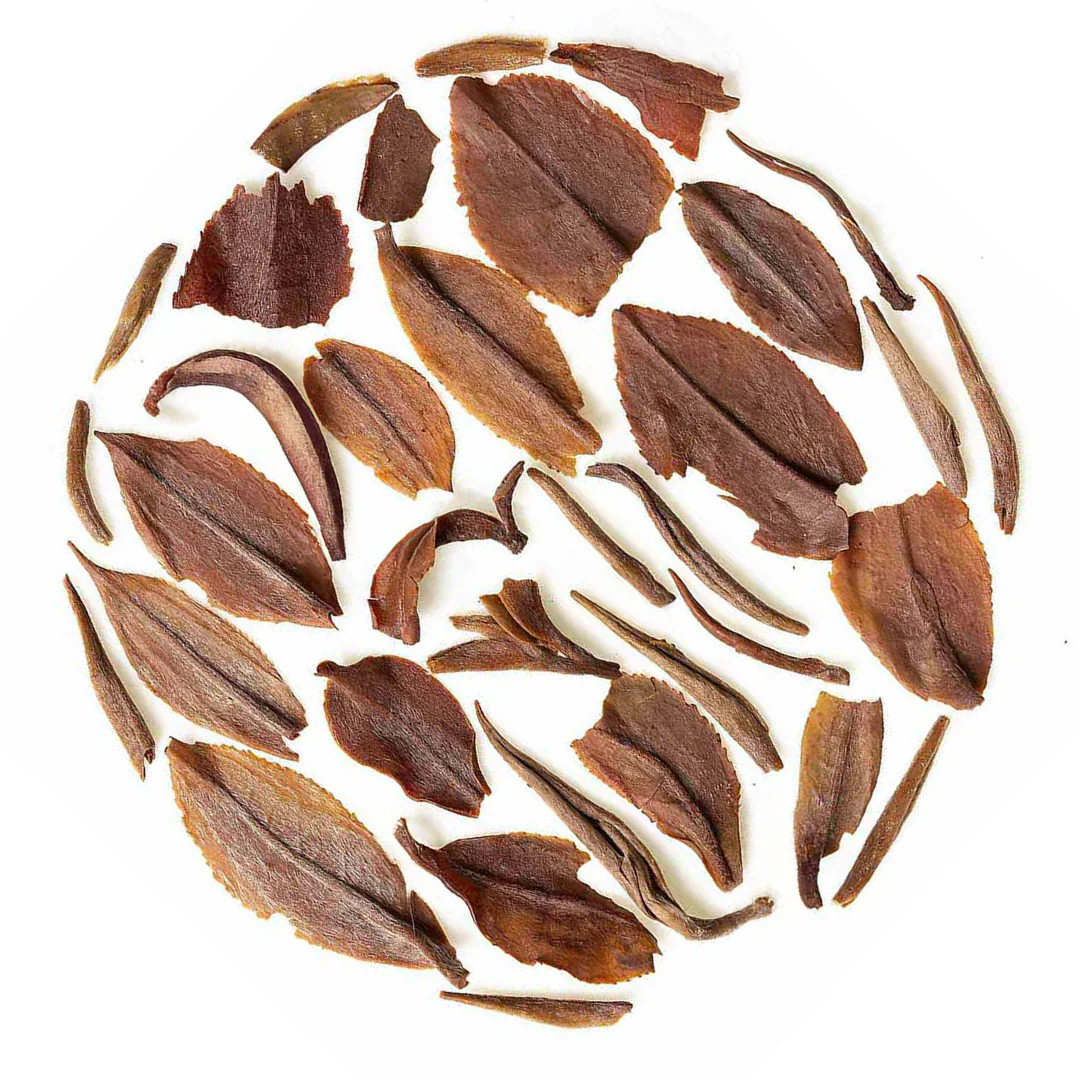



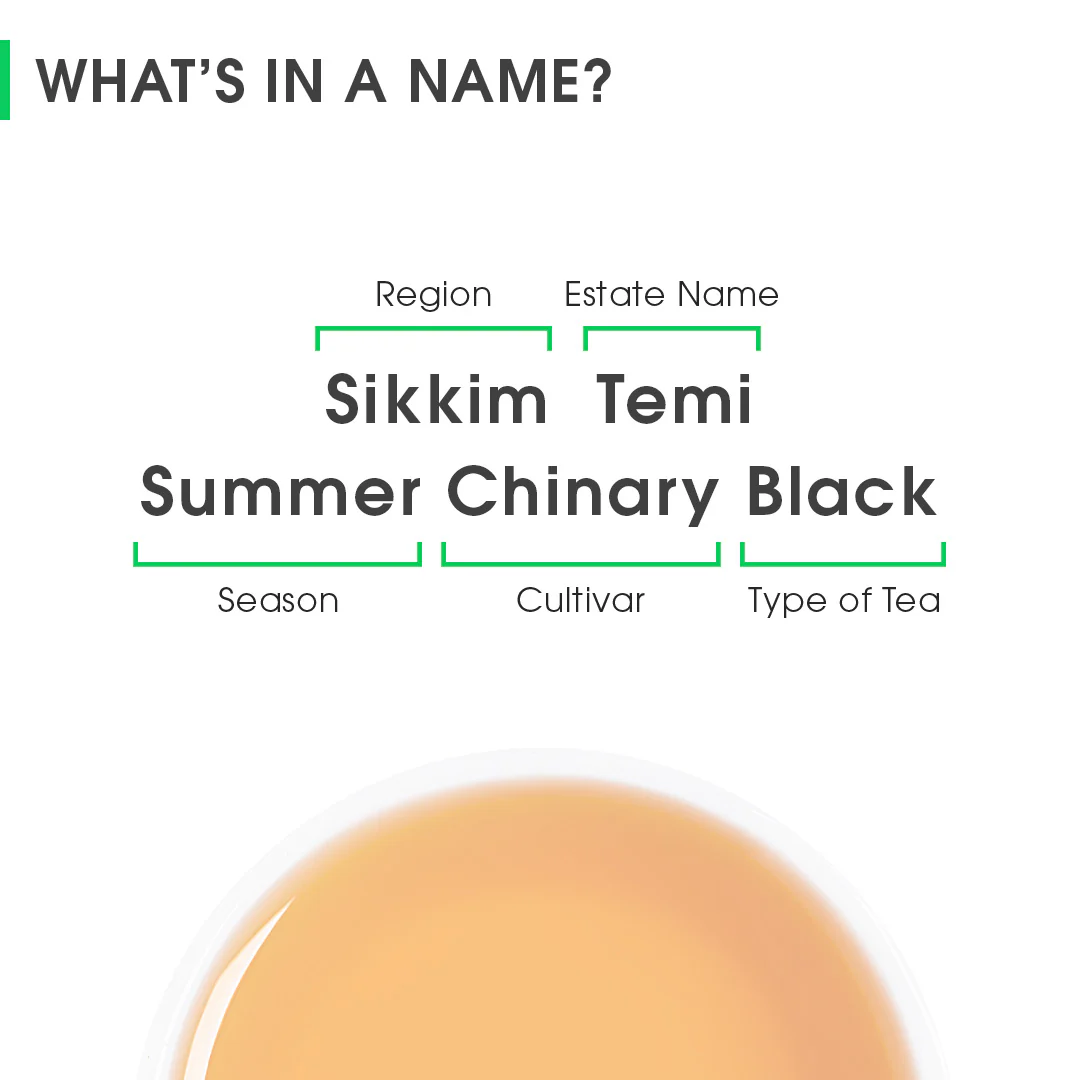

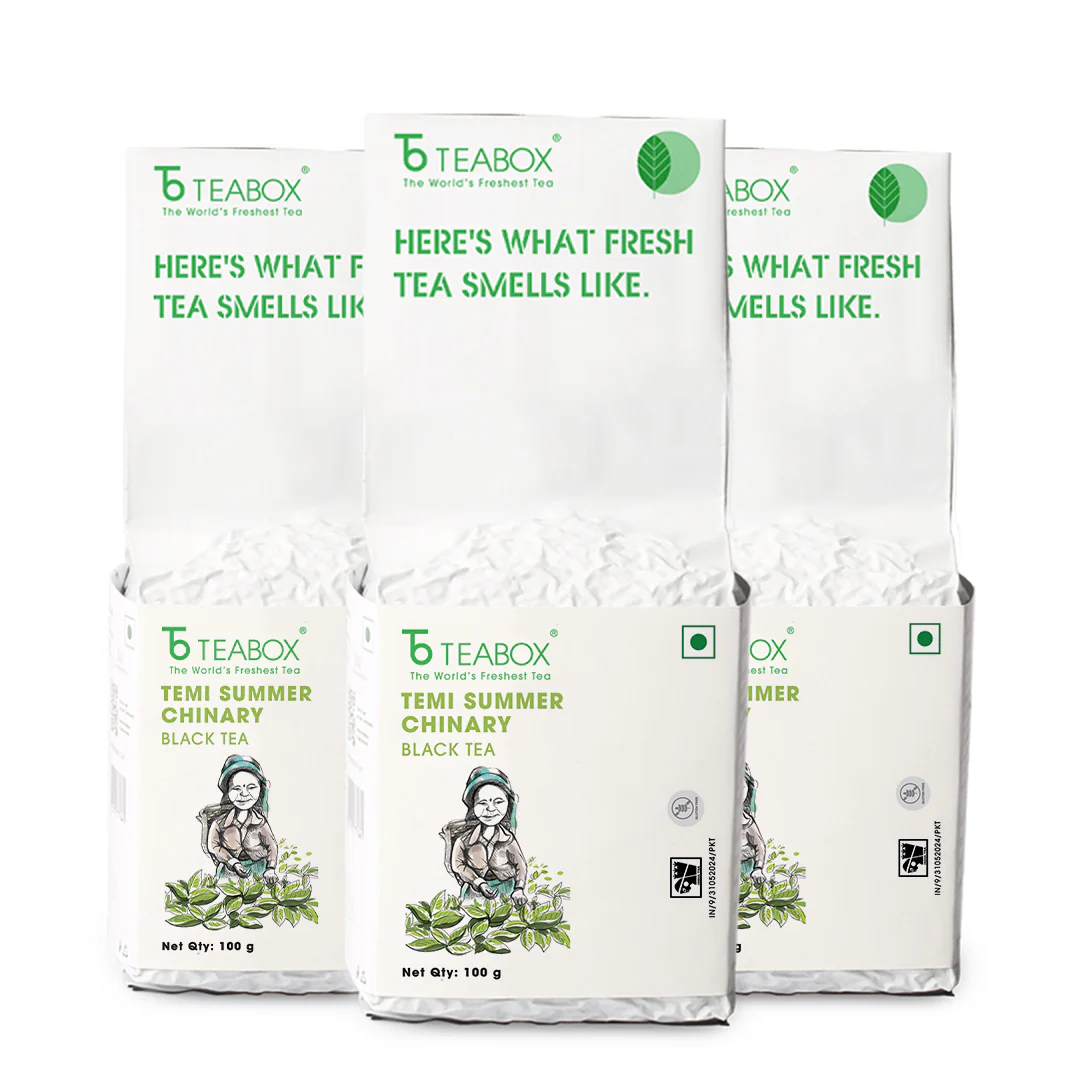

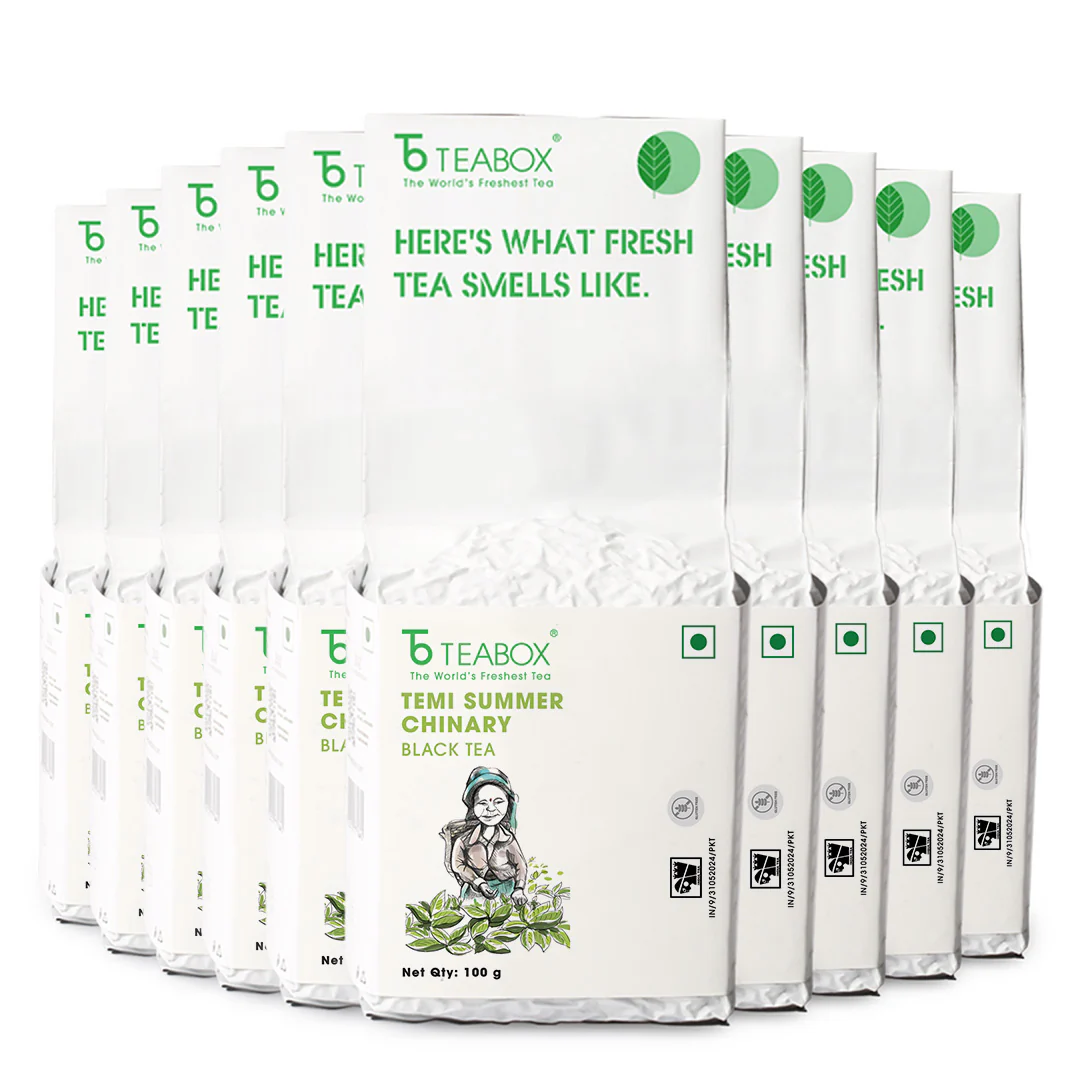
Sikkim Temi Summer Chinary Black
Perched amidst the breathtaking Himalayan landscape, the Temi Tea Estate stands as a symbol of Sikkim’s natural splendor and tea excellence. Established in 1969 by the Government of Sikkim, the estate is renowned for producing exceptional teas amidst awe-inspiring surroundings. Located in Namchi, South Sikkim, Temi enjoys a unique microclimate and nutrient-rich soil—elements that lend a distinct character to its teas.
Set at an elevation of nearly 5,000 feet, Temi’s summer harvest is shaped by altitude and tradition. The estate was envisioned by the then king of Sikkim, Palden Thondup Namgyal, to foster local employment and industry. With guidance from British tea planter Teddy Young, Temi took root as a pioneering initiative—and has remained one of India’s most celebrated highland tea gardens ever since.
In 2005, the estate transitioned fully to organic cultivation under the standards set by Switzerland’s Institute of Marketology (IMO). Spanning over 435 acres, Temi today upholds a legacy of quality, sustainability, and Himalayan heritage—delivering teas that are as soulful as the land they come from.
Product Information
Product Information
Shipping & Returns
Shipping & Returns
Description
Perched amidst the breathtaking Himalayan landscape, the Temi Tea Estate stands as a symbol of Sikkim’s natural splendor and tea excellence. Established in 1969 by the Government of Sikkim, the estate is renowned for producing exceptional teas amidst awe-inspiring surroundings. Located in Namchi, South Sikkim, Temi enjoys a unique microclimate and nutrient-rich soil—elements that lend a distinct character to its teas.
Set at an elevation of nearly 5,000 feet, Temi’s summer harvest is shaped by altitude and tradition. The estate was envisioned by the then king of Sikkim, Palden Thondup Namgyal, to foster local employment and industry. With guidance from British tea planter Teddy Young, Temi took root as a pioneering initiative—and has remained one of India’s most celebrated highland tea gardens ever since.
In 2005, the estate transitioned fully to organic cultivation under the standards set by Switzerland’s Institute of Marketology (IMO). Spanning over 435 acres, Temi today upholds a legacy of quality, sustainability, and Himalayan heritage—delivering teas that are as soulful as the land they come from.