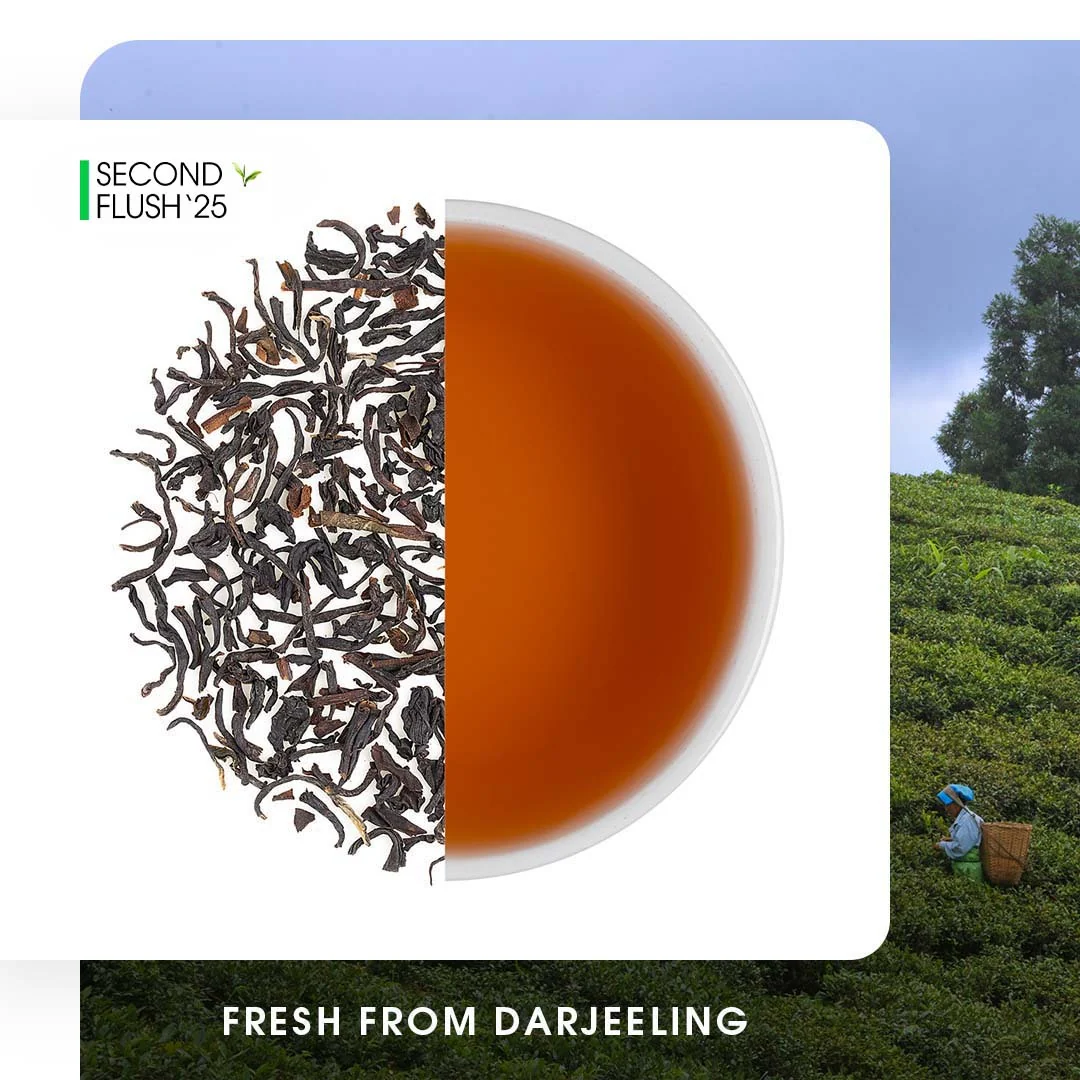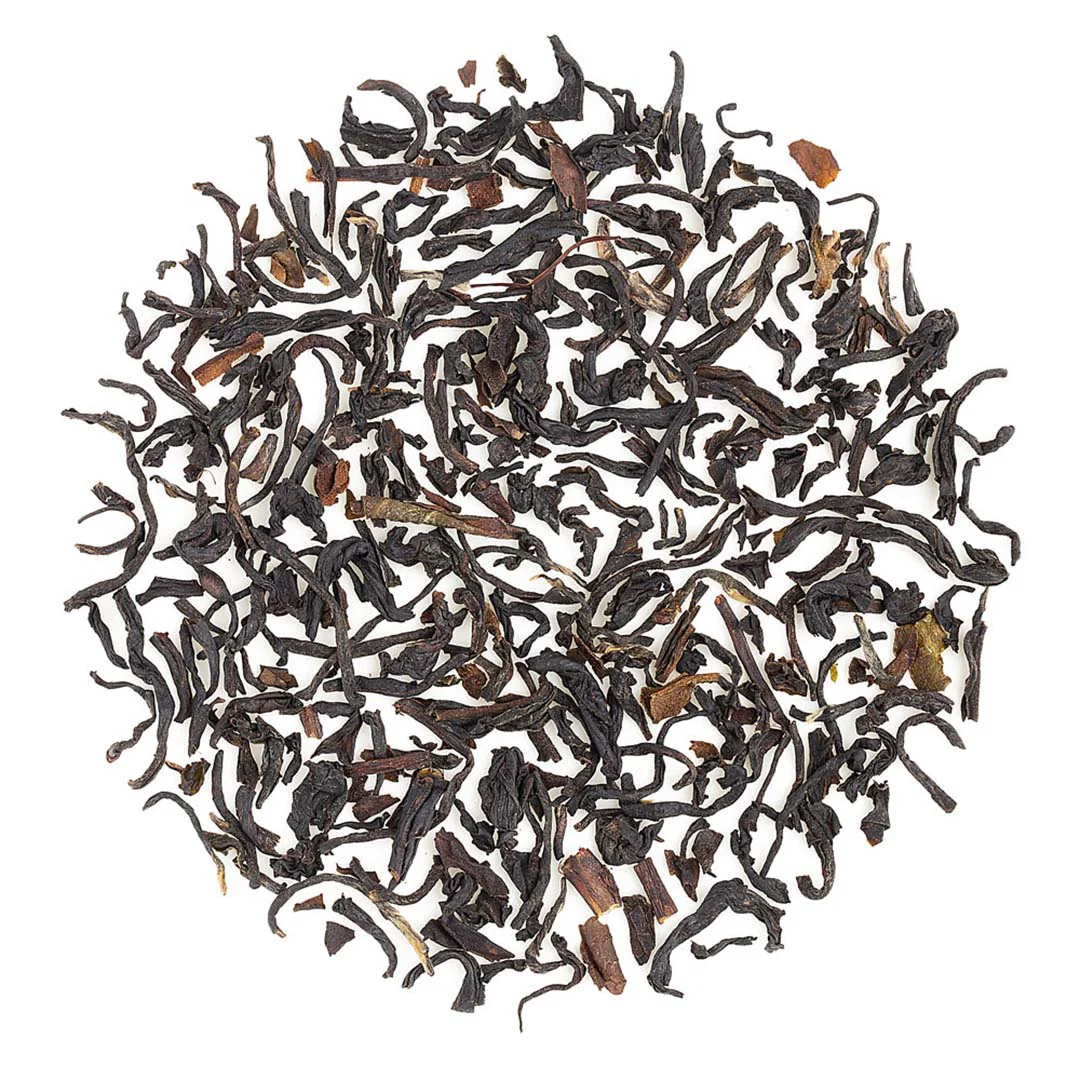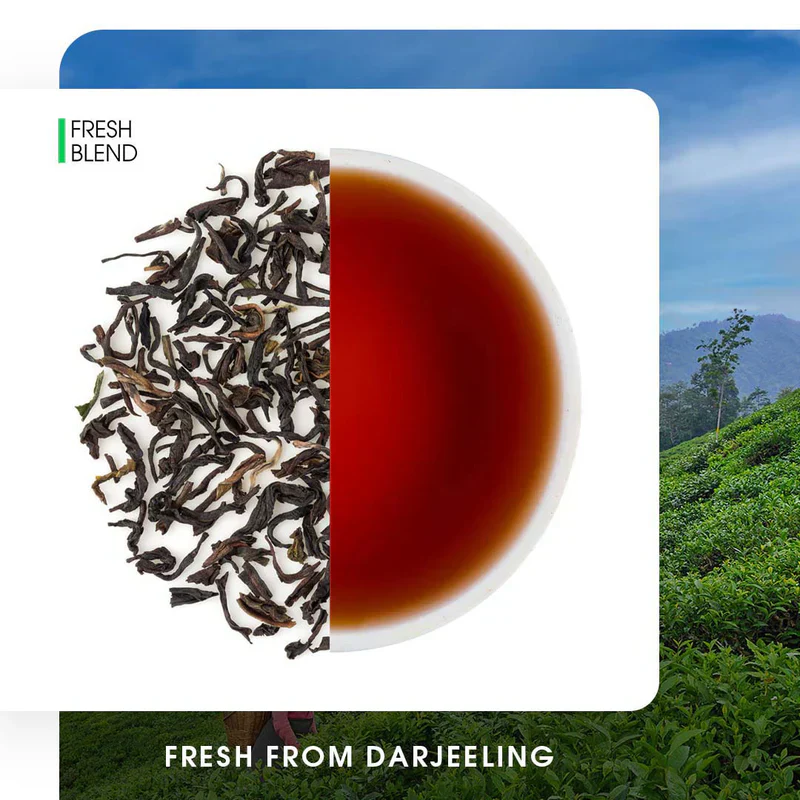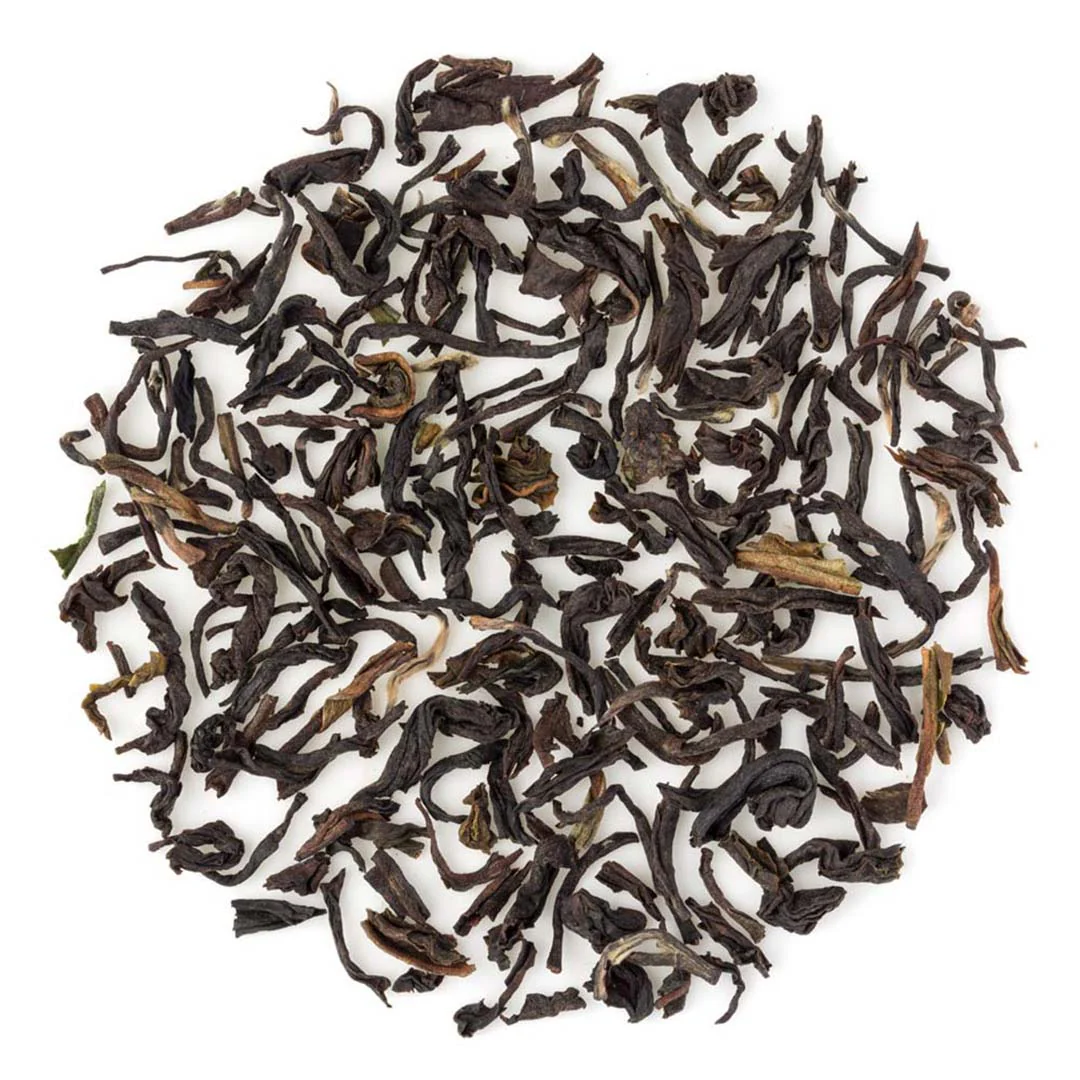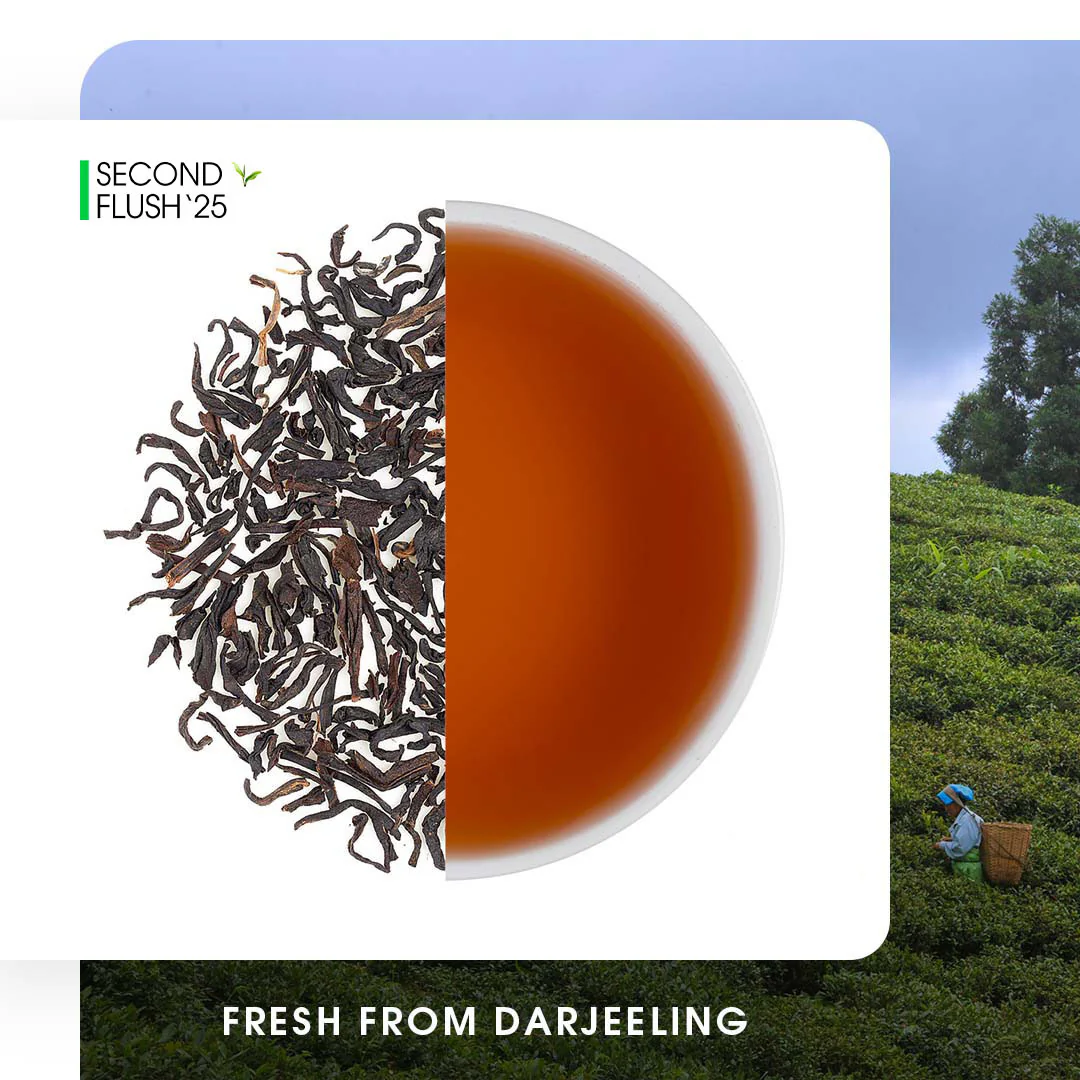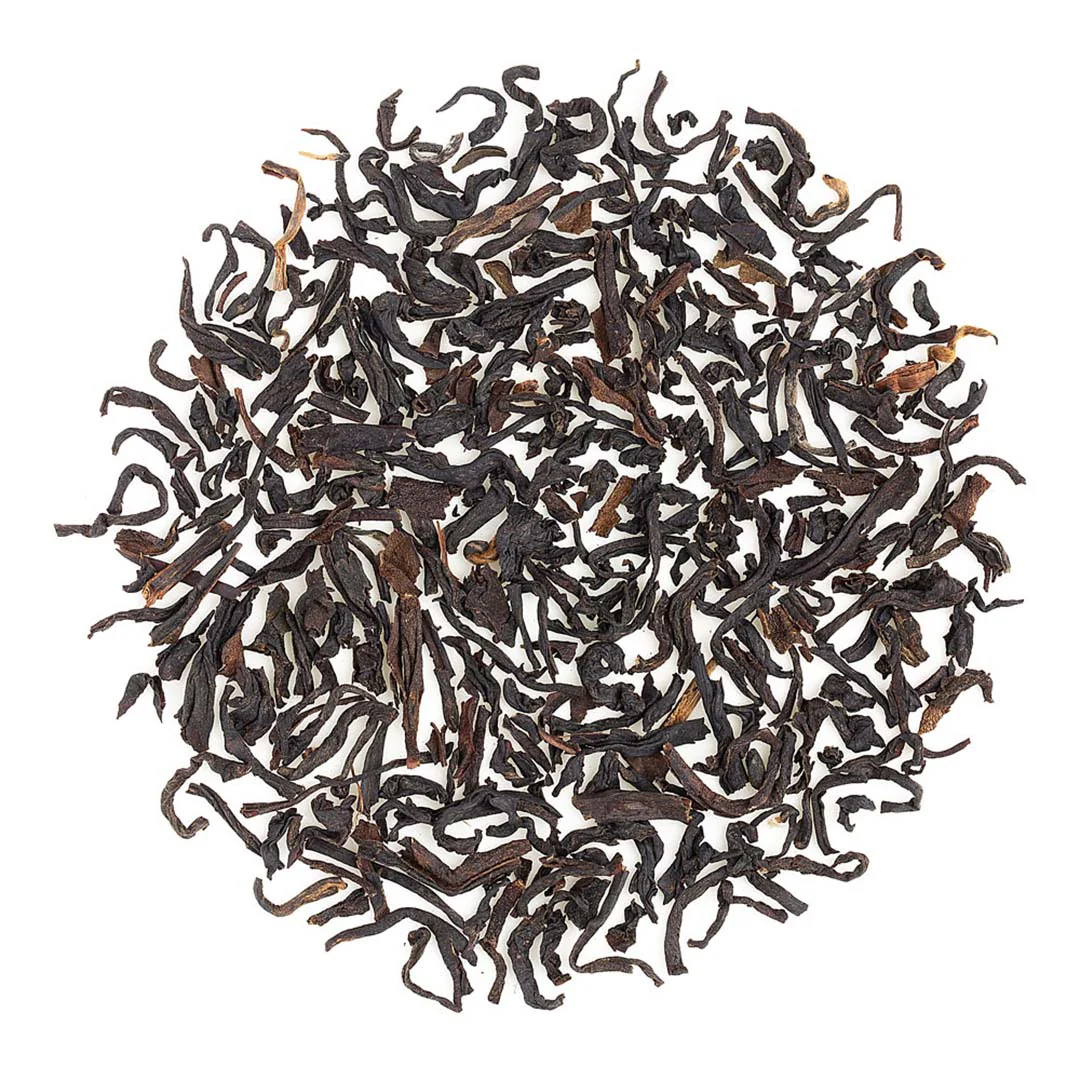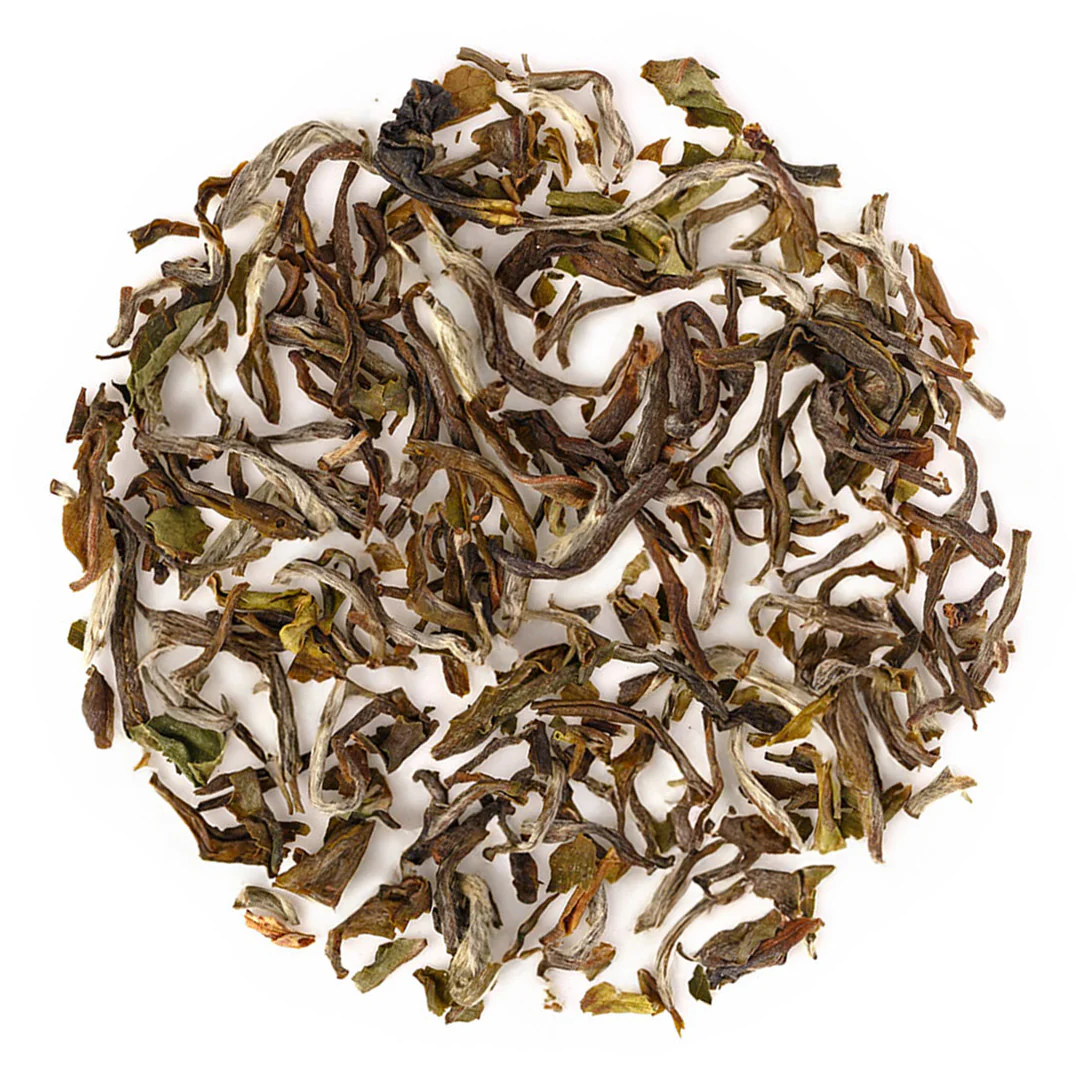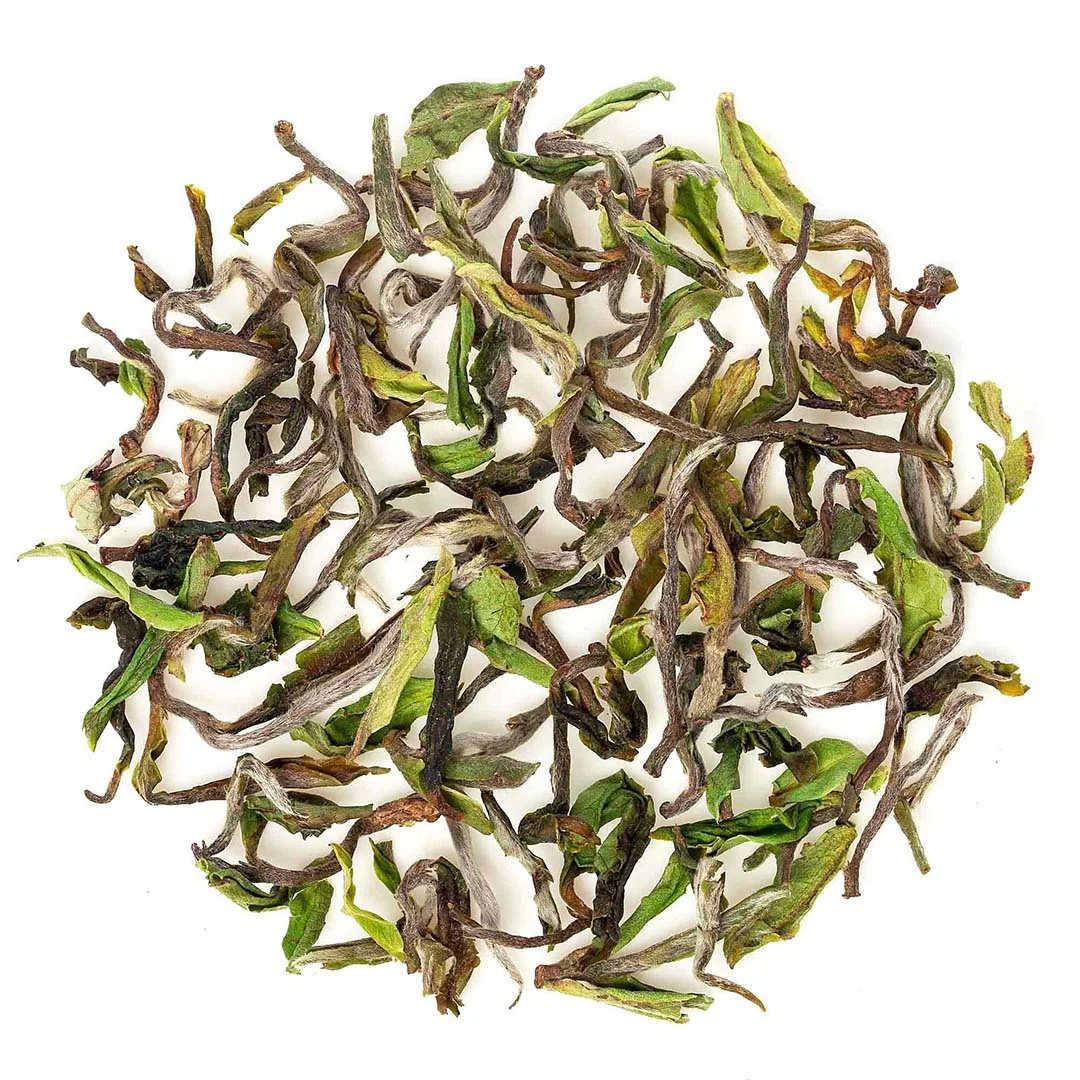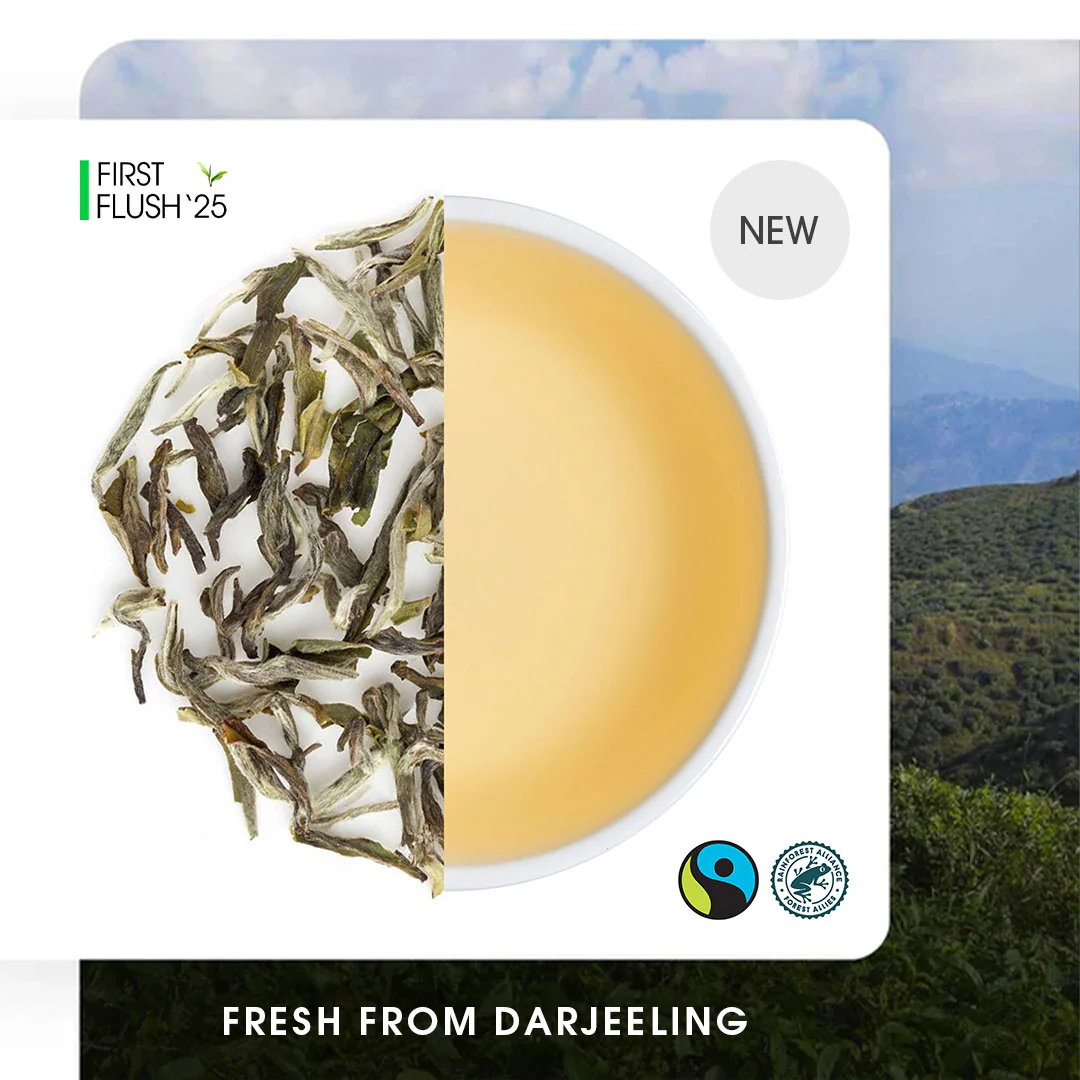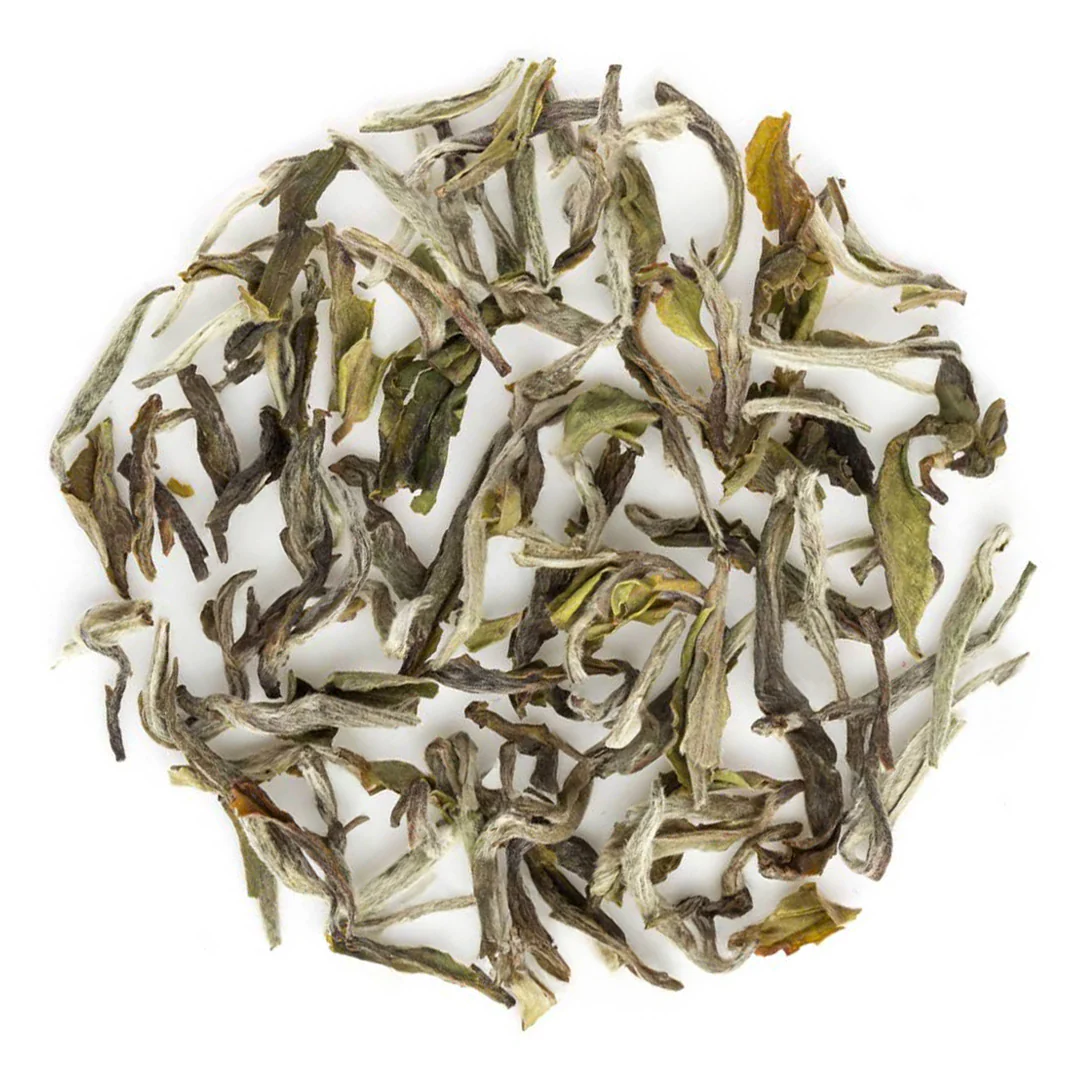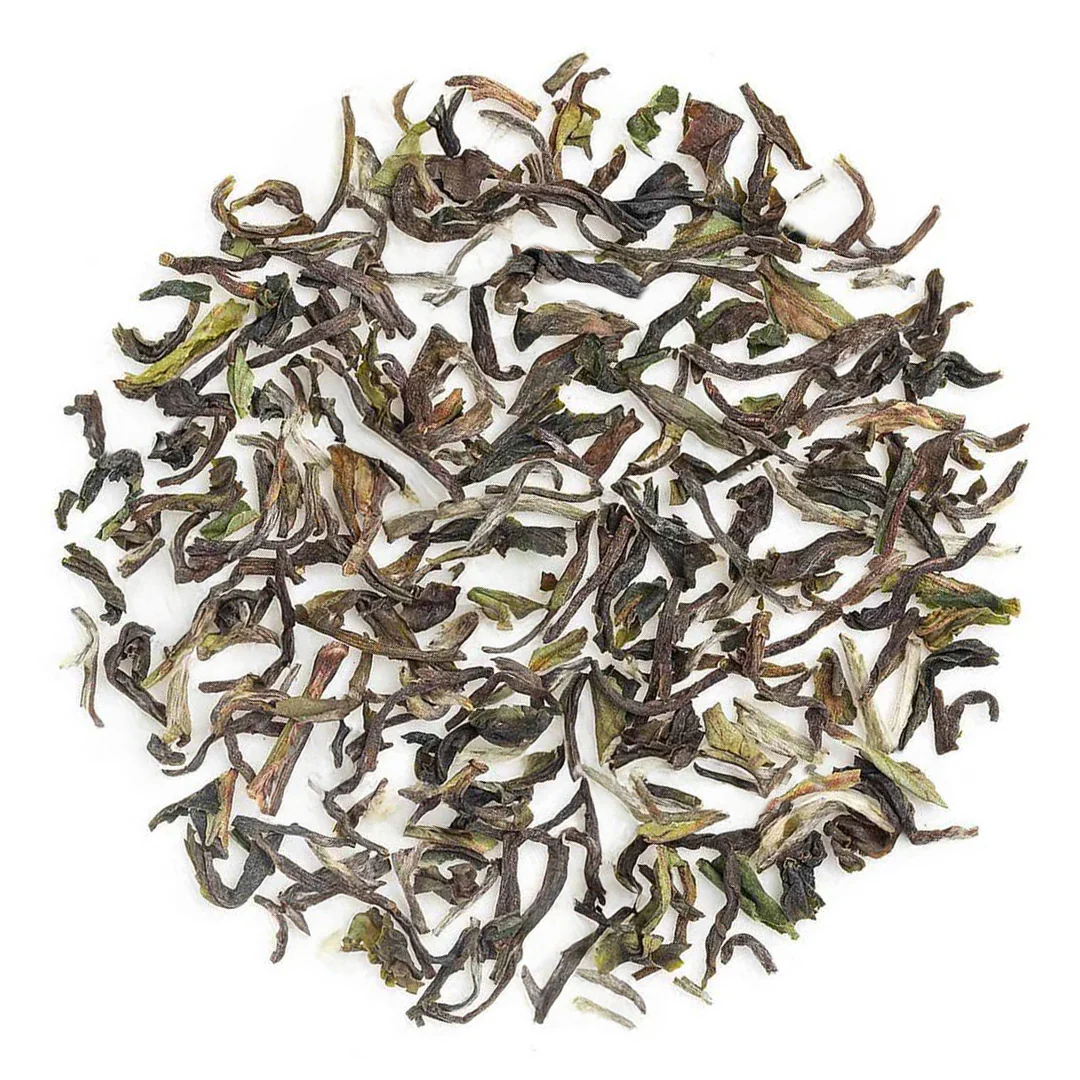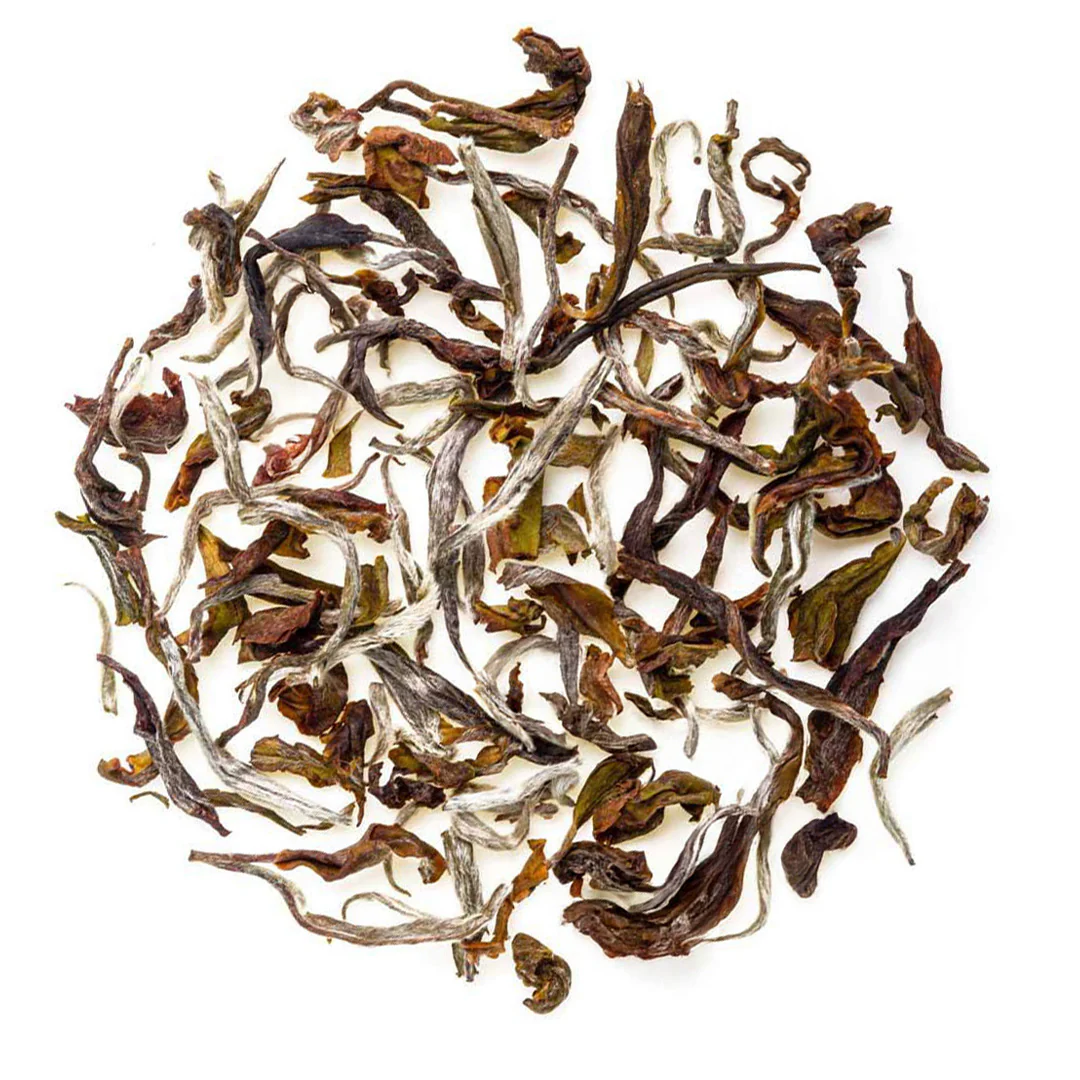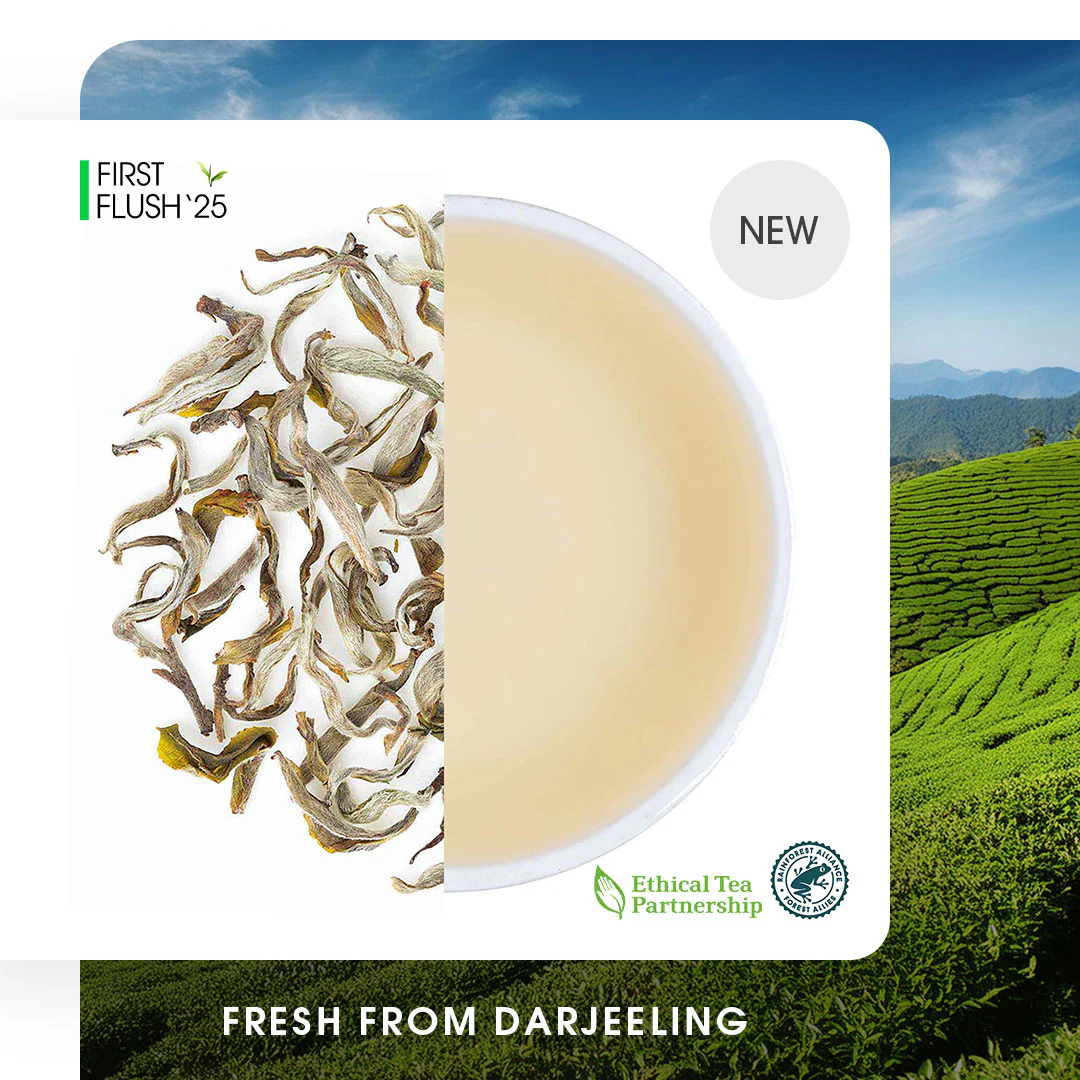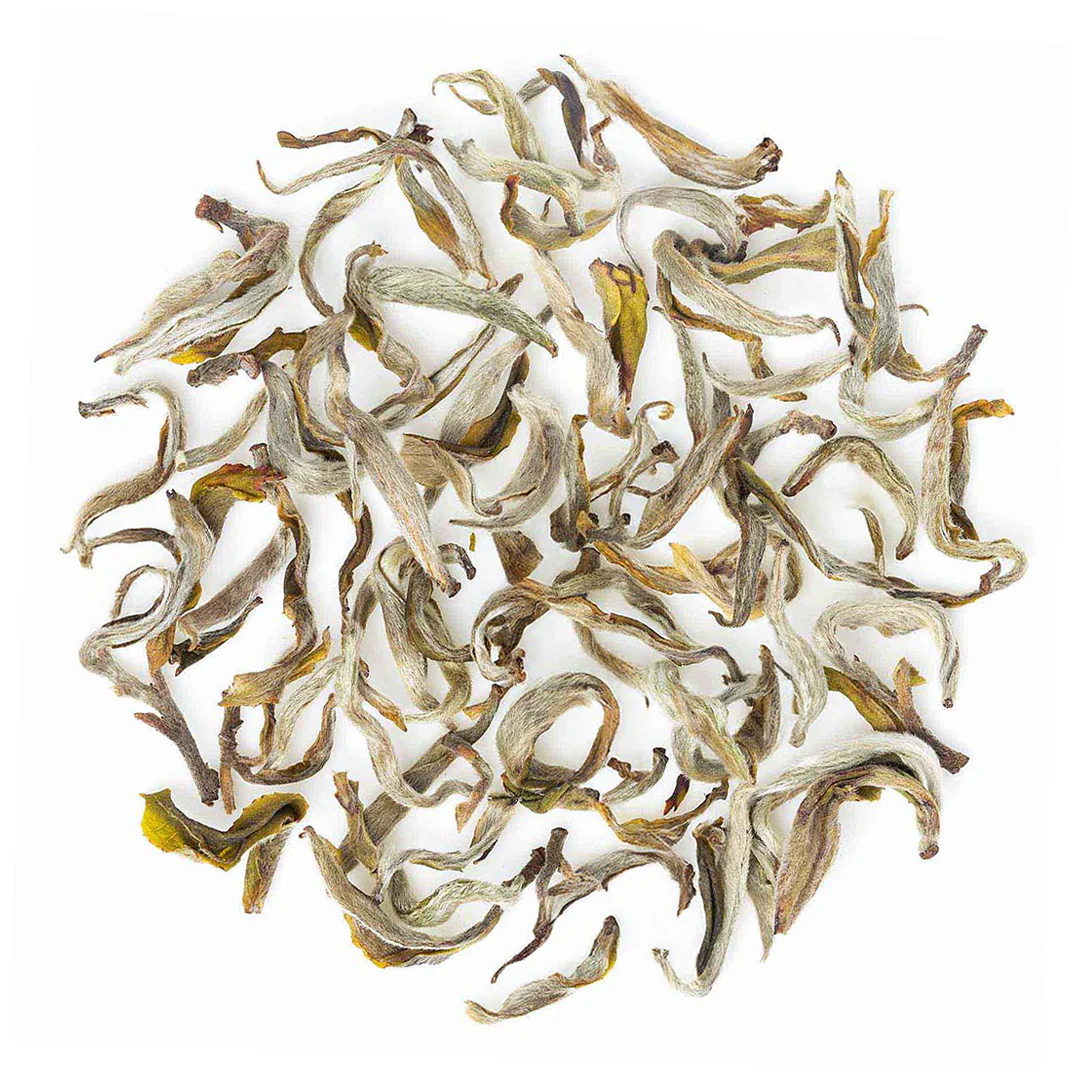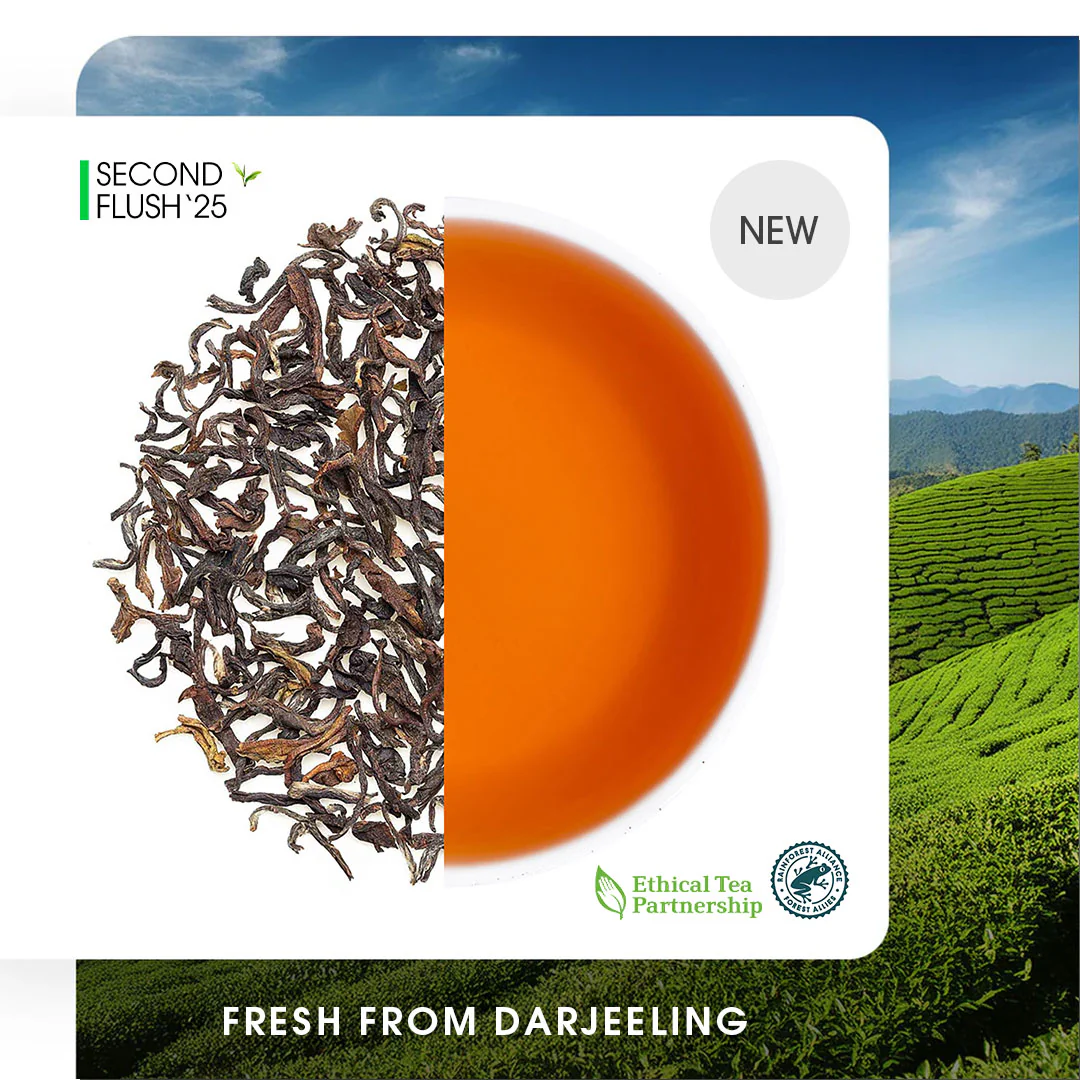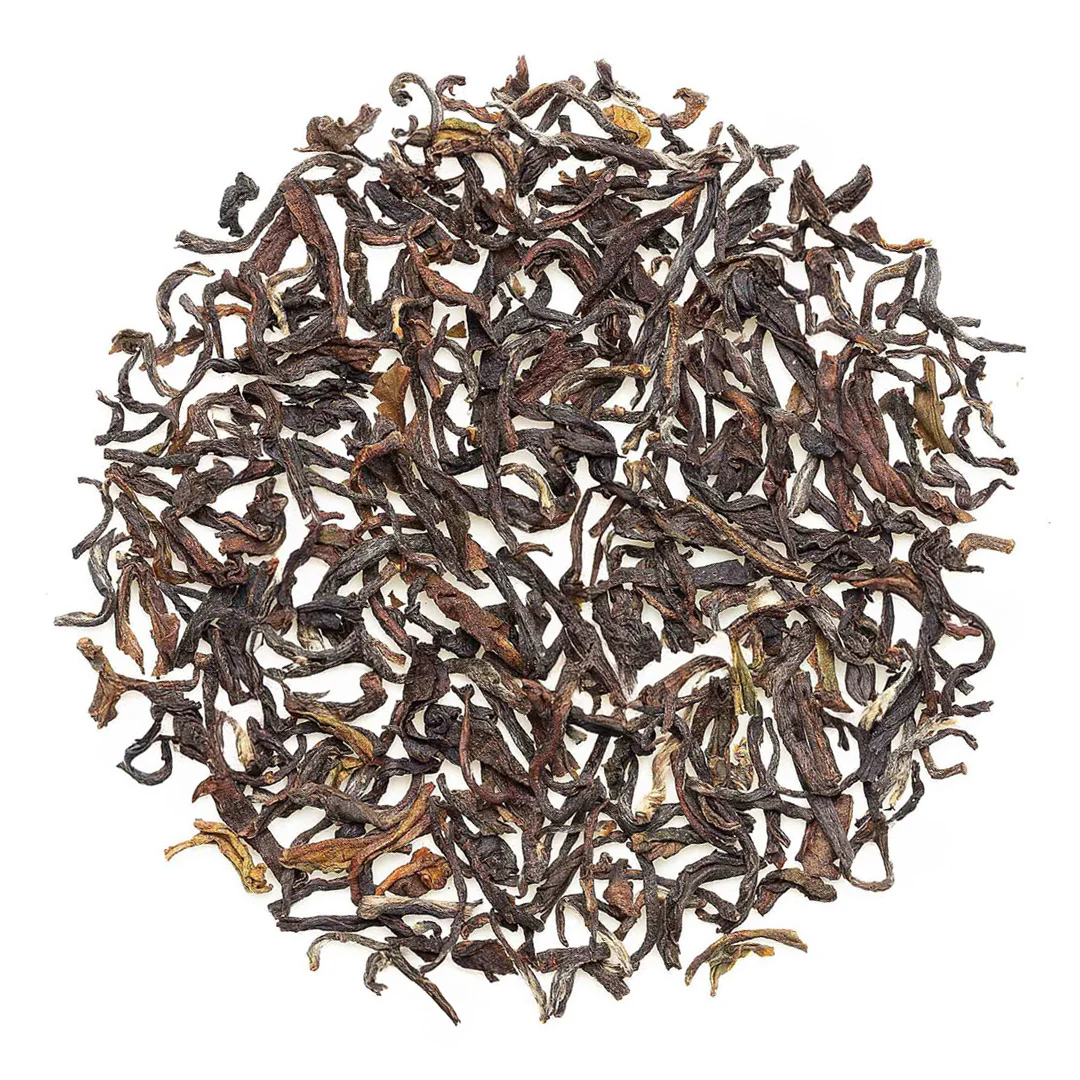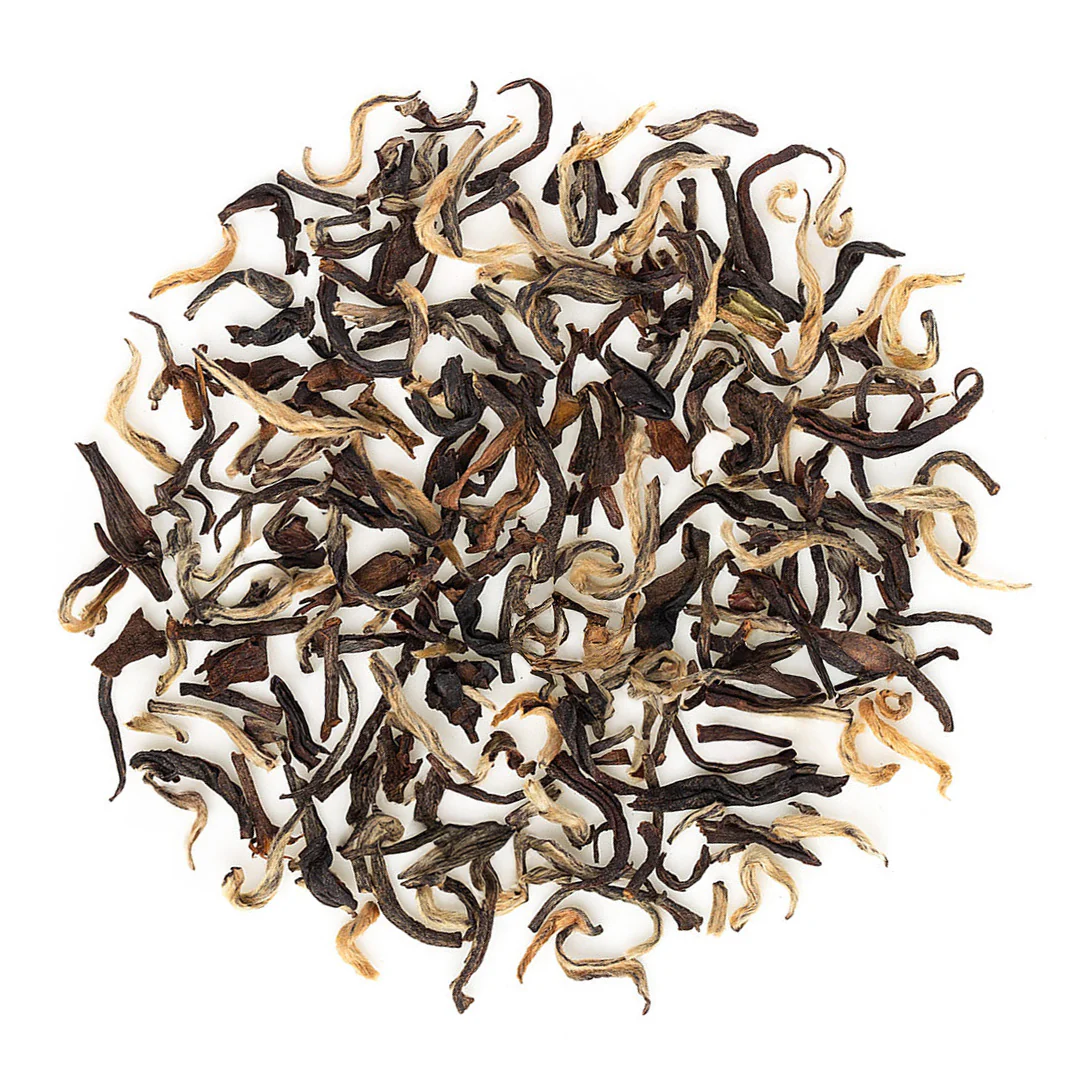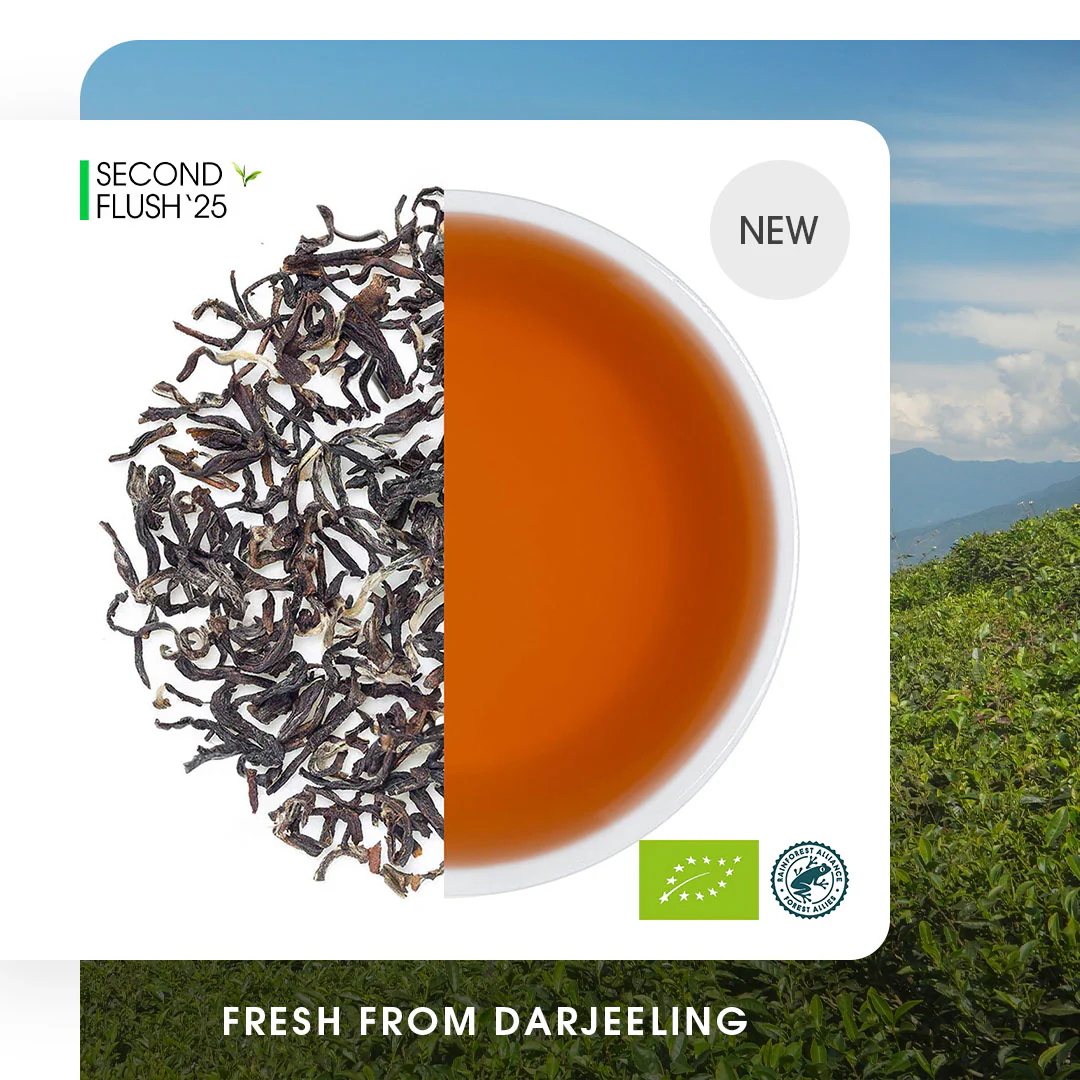
Darjeeling Okayti Summer Chinary Black
Originally known as Rangdoo Estate, Okayti’s legacy harks back to the golden era when India’s finest teas were coveted at the prestigious London tea auctions.
Legend has it, when auctioneers in London first tasted teas from Rangdoo, they simply remarked, “OK”—a modest yet memorable endorsement that gave birth to the estate’s enduring name, “Okayti.” Since then, it has remained a symbol of excellence and the timeless character of Darjeeling.
Cradled in the misty hills of Mirik Valley and planted in the early 1870s, Okayti rises from 4,000 to 6,200 feet above sea level. Its harvests continue to yield teas of rare elegance and finesse—beloved by connoisseurs across the world.
More Images
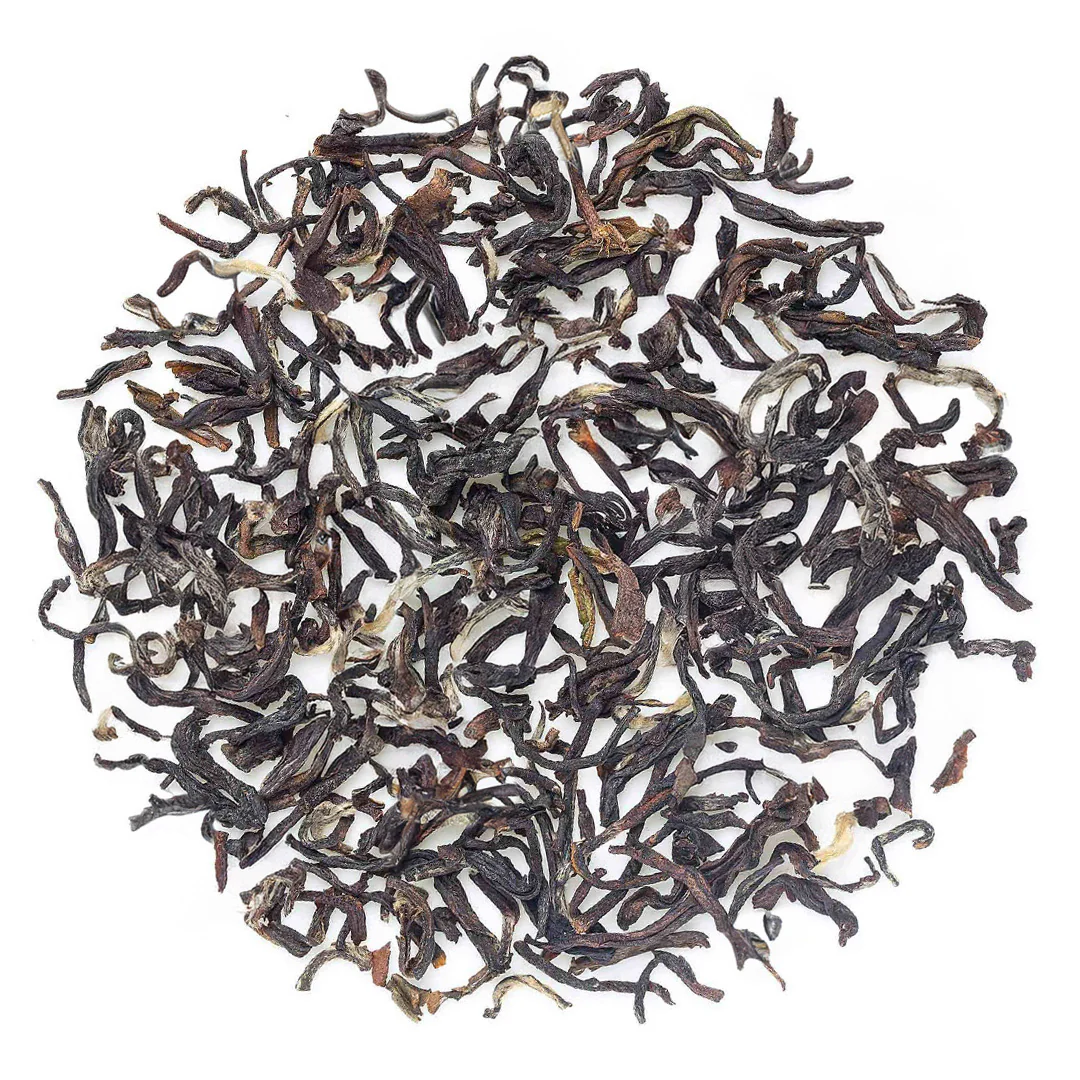
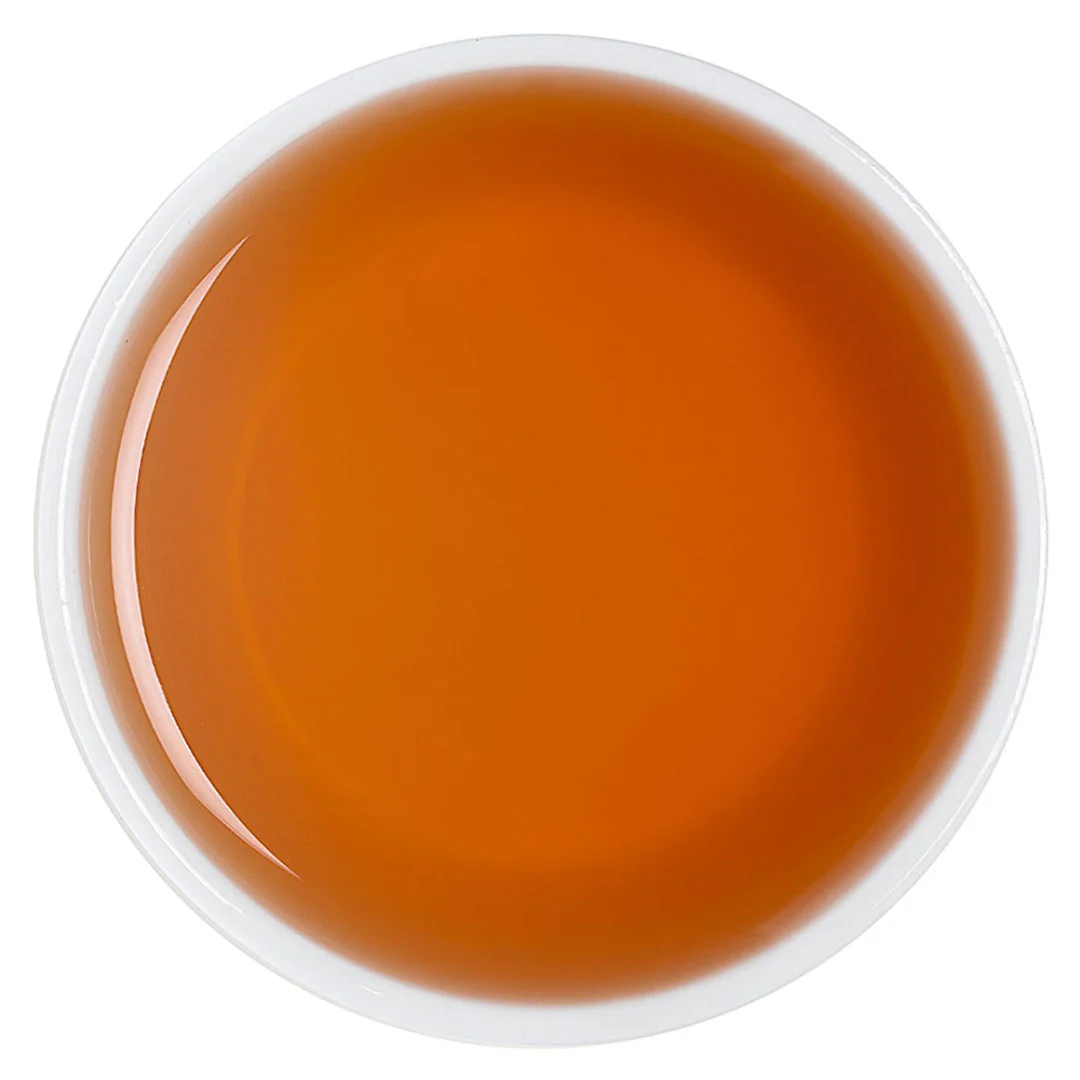
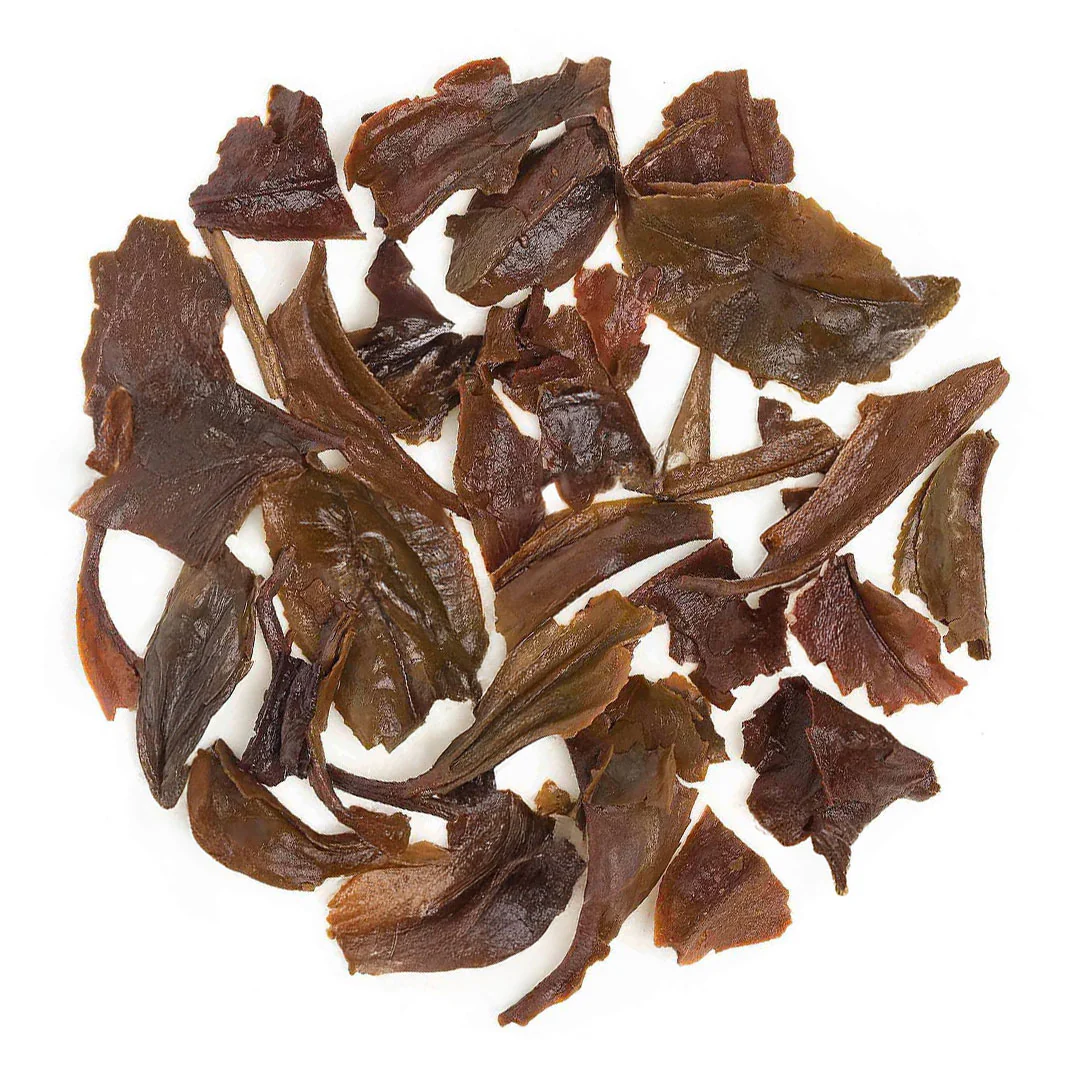


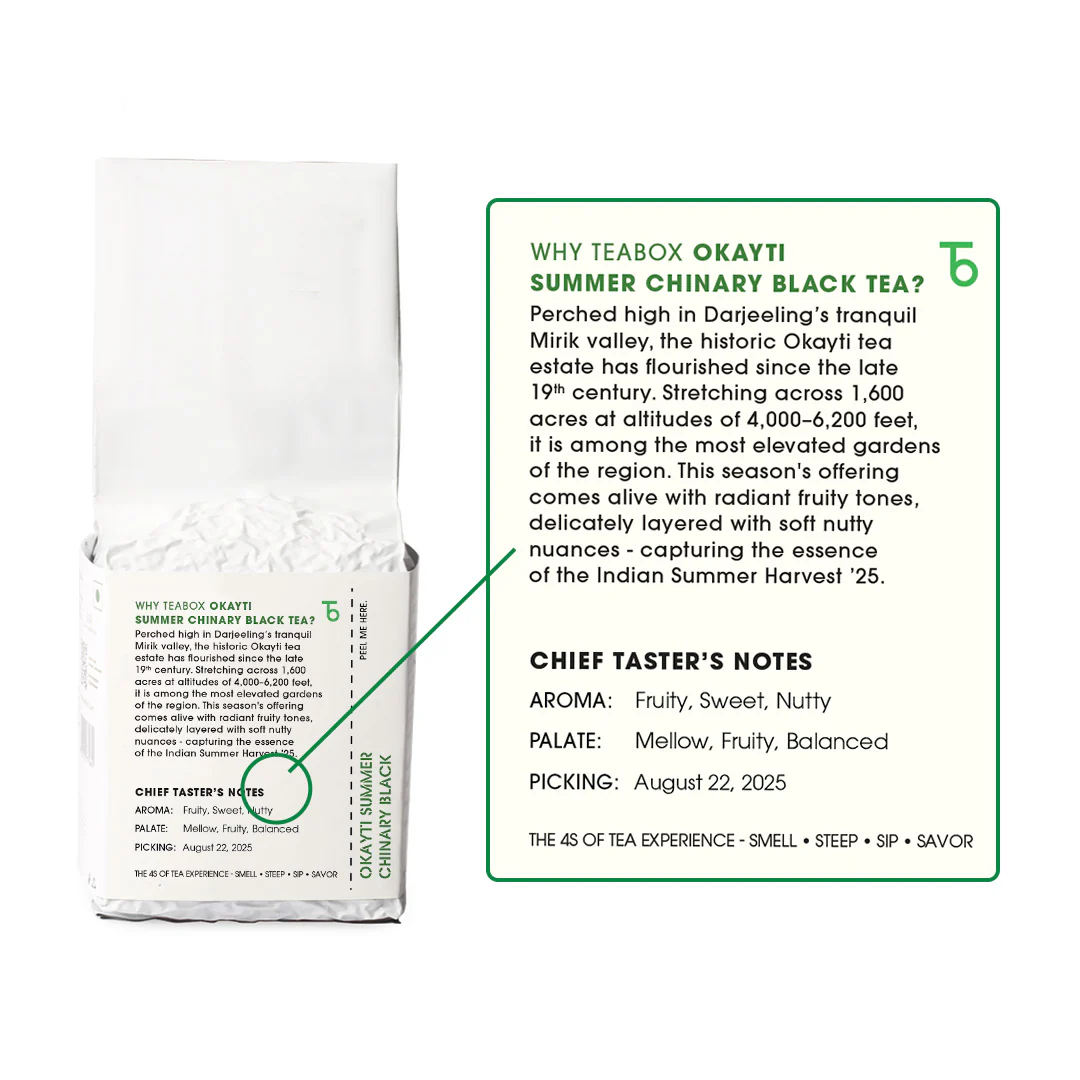
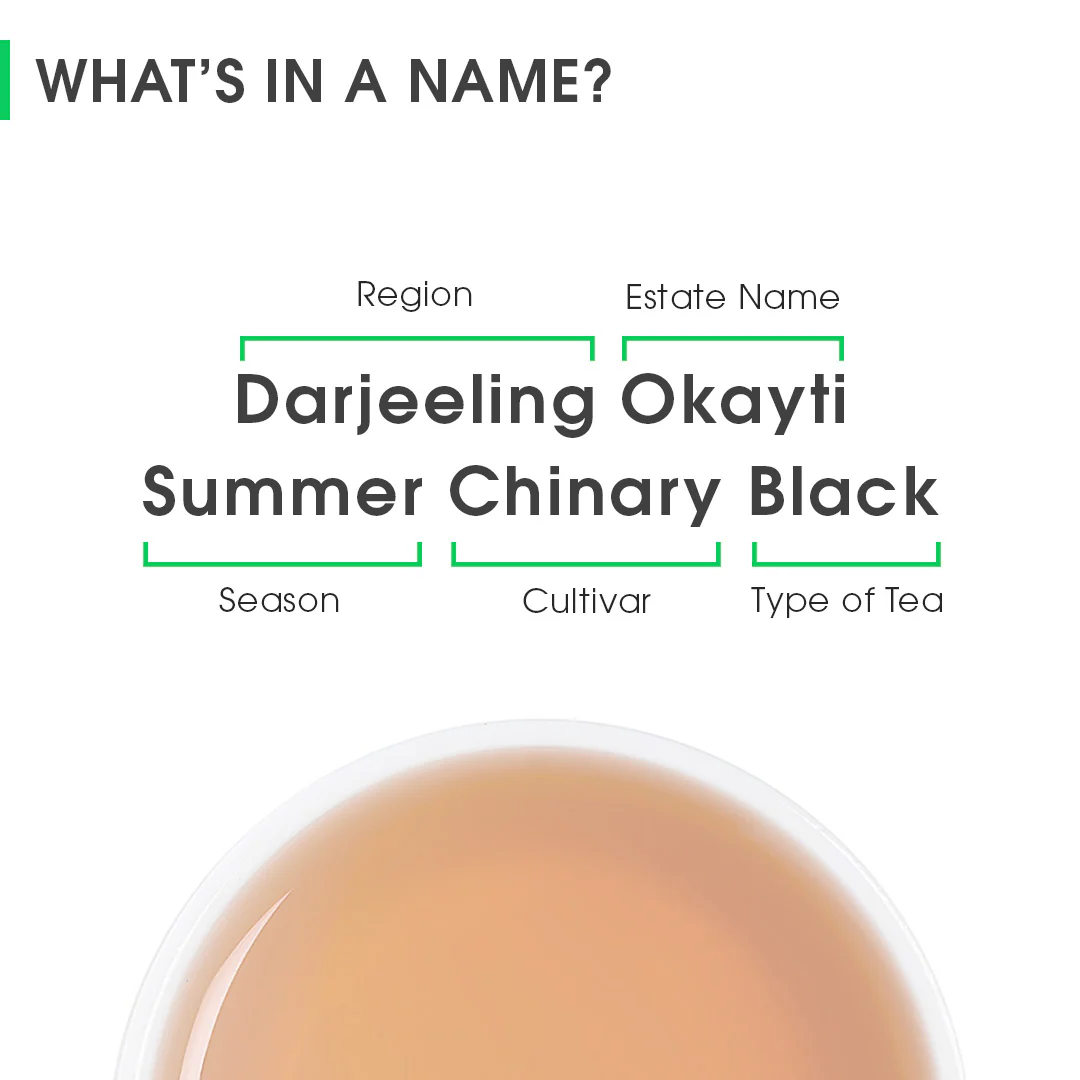




Darjeeling Okayti Summer Chinary Black
Originally known as Rangdoo Estate, Okayti’s legacy harks back to the golden era when India’s finest teas were coveted at the prestigious London tea auctions.
Legend has it, when auctioneers in London first tasted teas from Rangdoo, they simply remarked, “OK”—a modest yet memorable endorsement that gave birth to the estate’s enduring name, “Okayti.” Since then, it has remained a symbol of excellence and the timeless character of Darjeeling.
Cradled in the misty hills of Mirik Valley and planted in the early 1870s, Okayti rises from 4,000 to 6,200 feet above sea level. Its harvests continue to yield teas of rare elegance and finesse—beloved by connoisseurs across the world.
Product Information
Product Information
Shipping & Returns
Shipping & Returns
Description
Originally known as Rangdoo Estate, Okayti’s legacy harks back to the golden era when India’s finest teas were coveted at the prestigious London tea auctions.
Legend has it, when auctioneers in London first tasted teas from Rangdoo, they simply remarked, “OK”—a modest yet memorable endorsement that gave birth to the estate’s enduring name, “Okayti.” Since then, it has remained a symbol of excellence and the timeless character of Darjeeling.
Cradled in the misty hills of Mirik Valley and planted in the early 1870s, Okayti rises from 4,000 to 6,200 feet above sea level. Its harvests continue to yield teas of rare elegance and finesse—beloved by connoisseurs across the world.