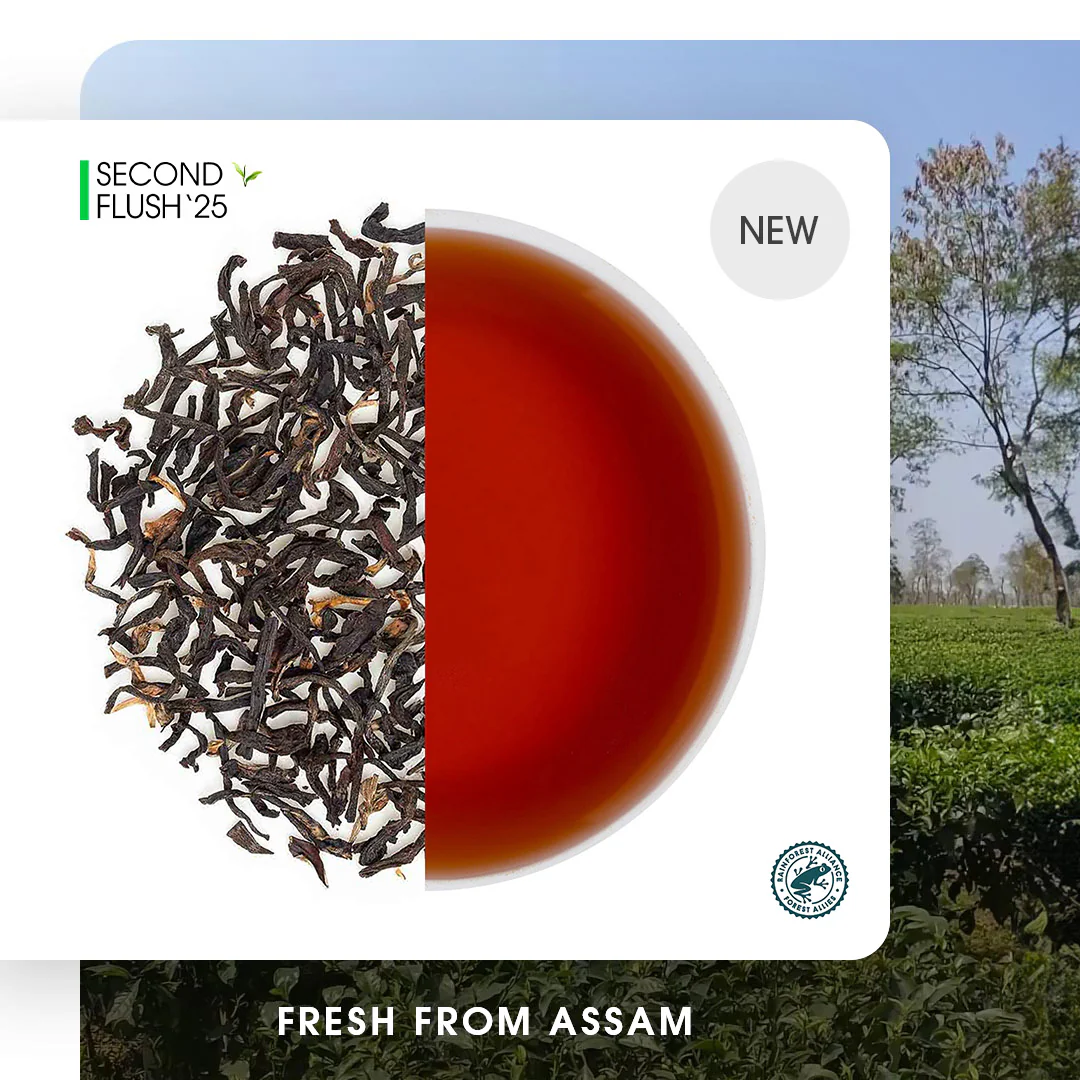
Assam Dikom Summer Black
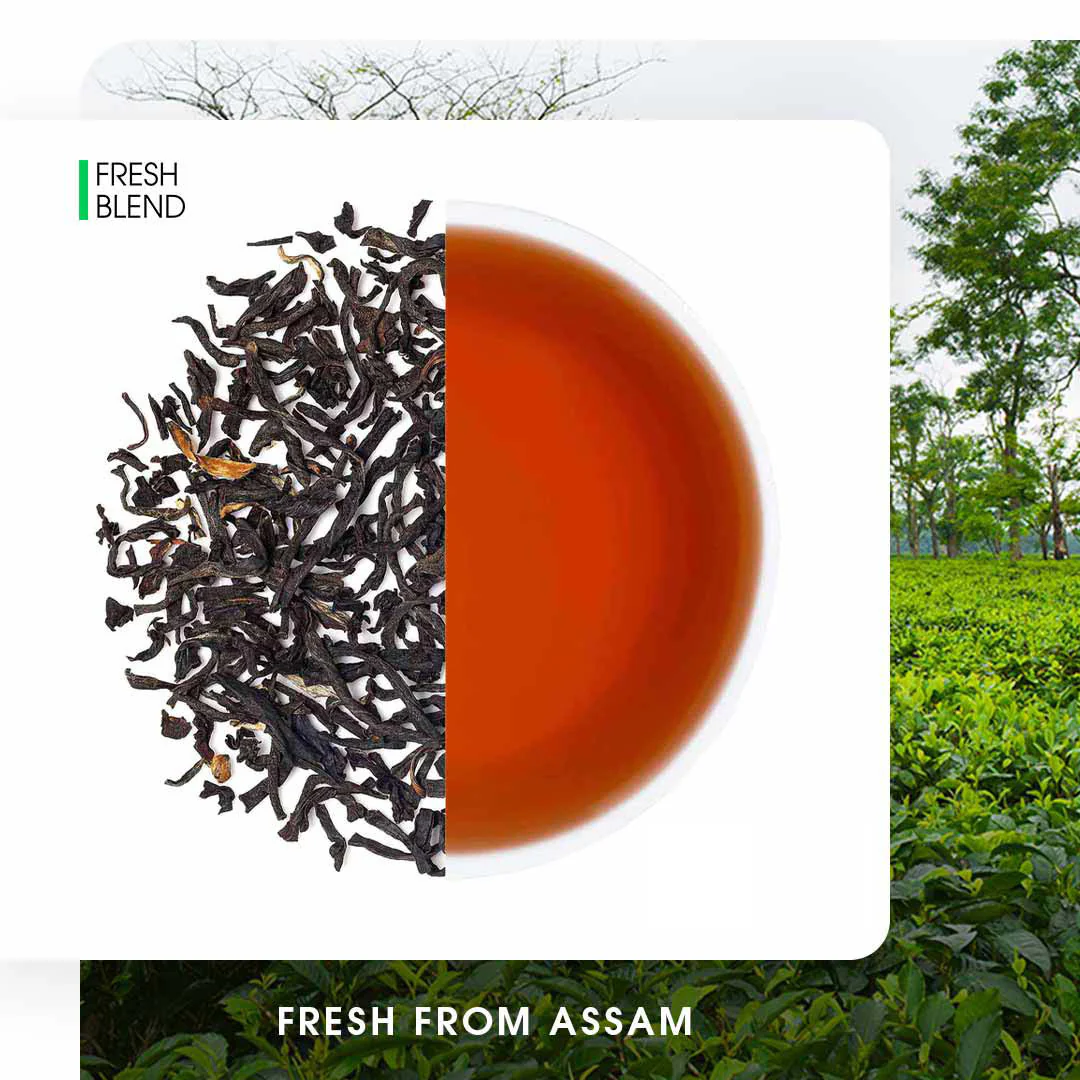
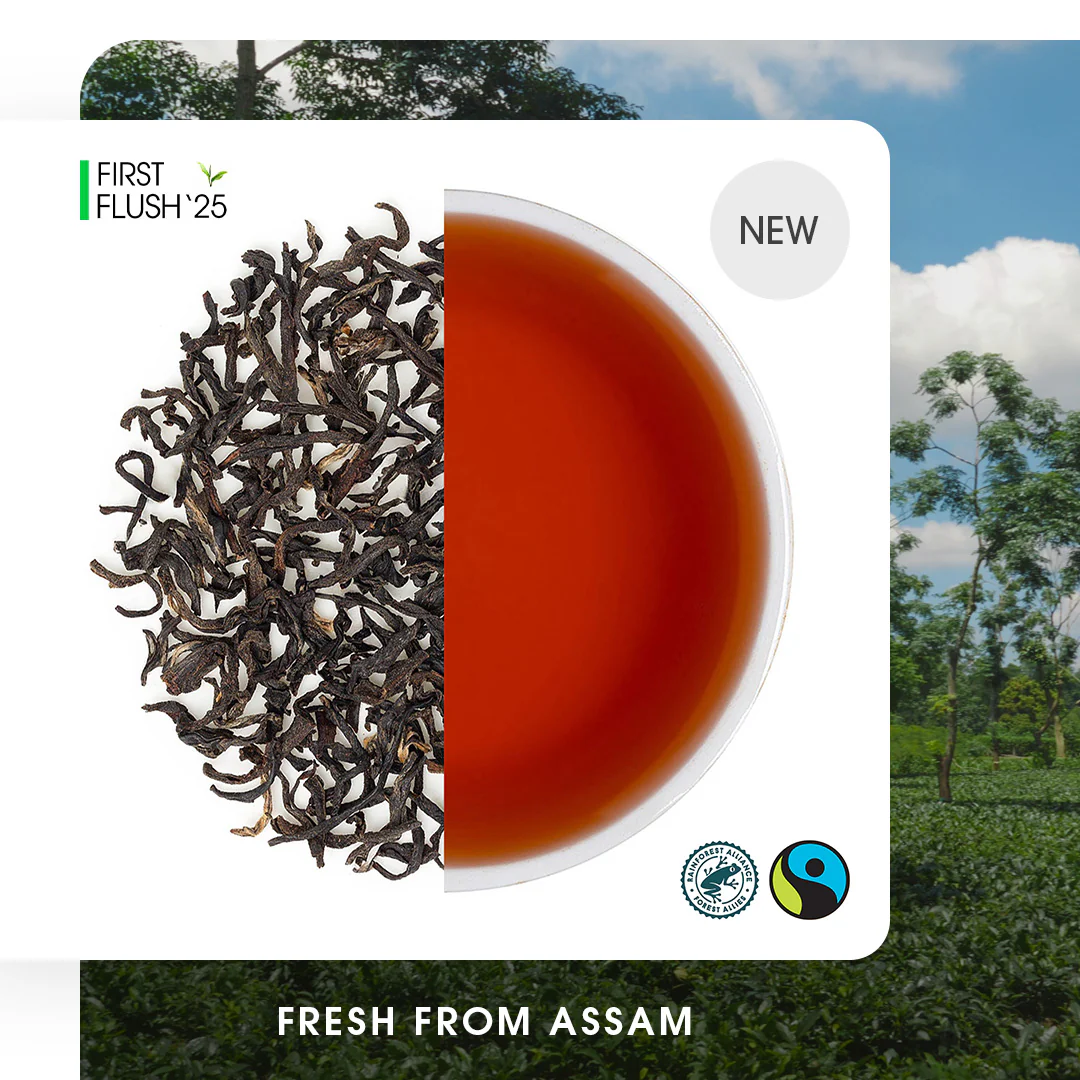
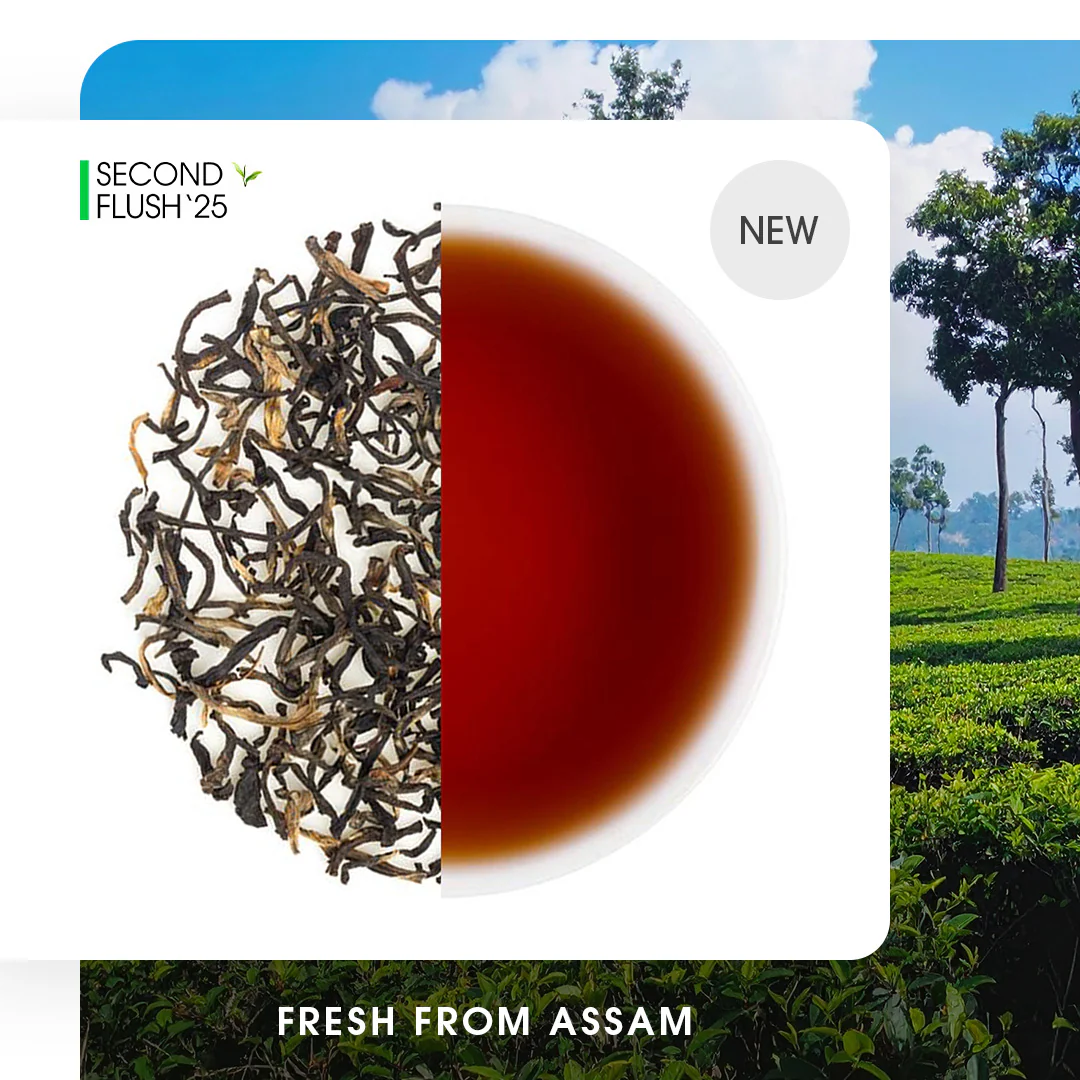
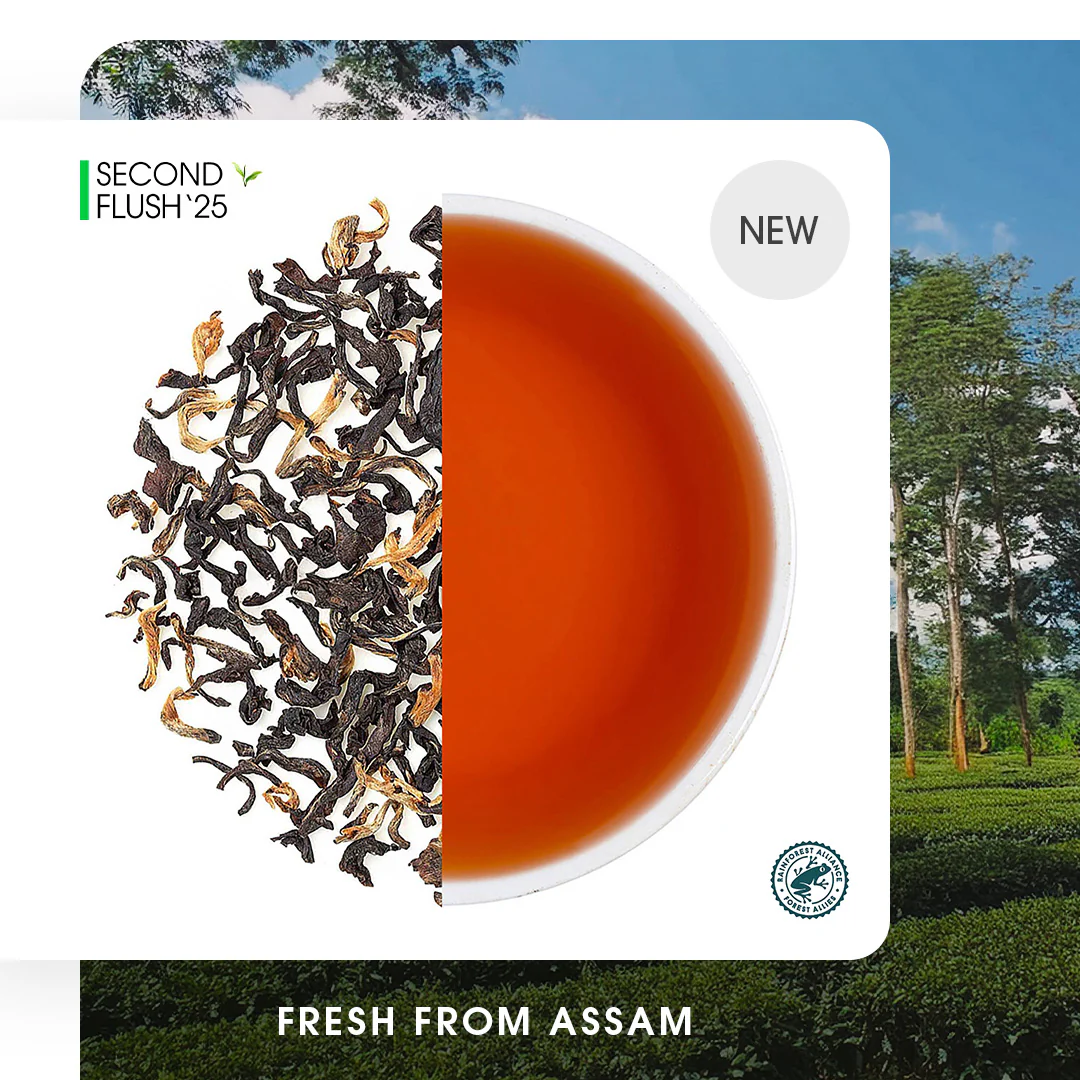
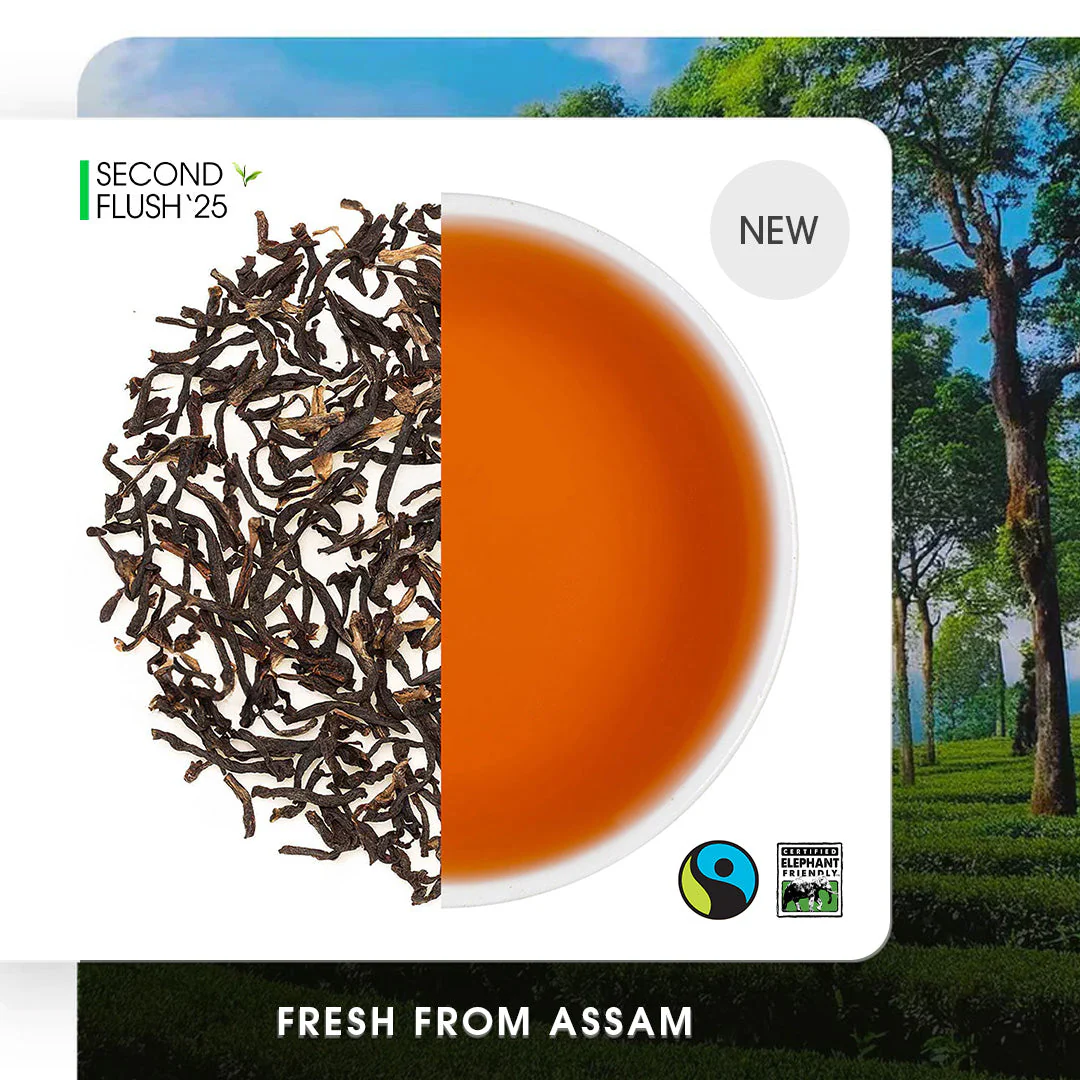
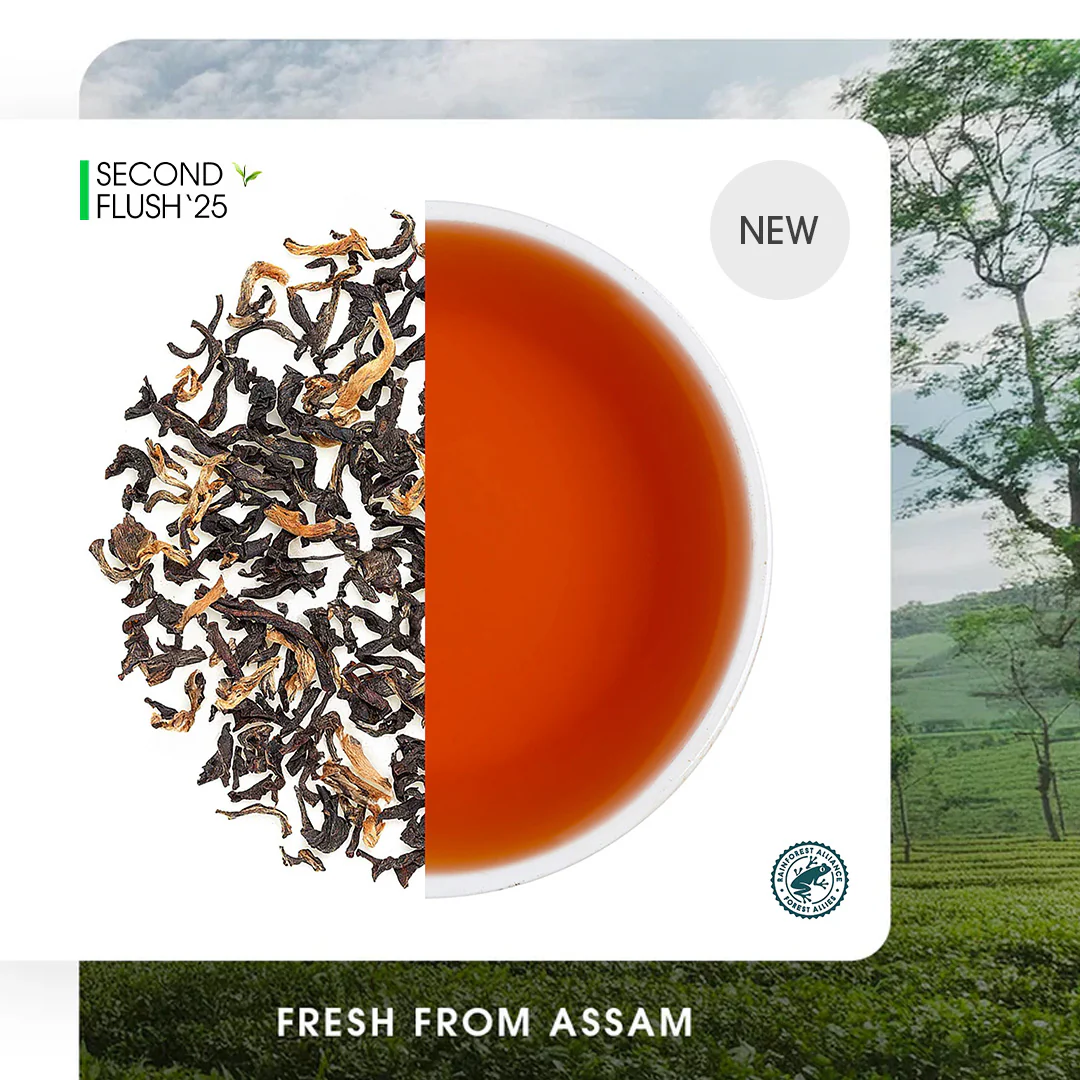
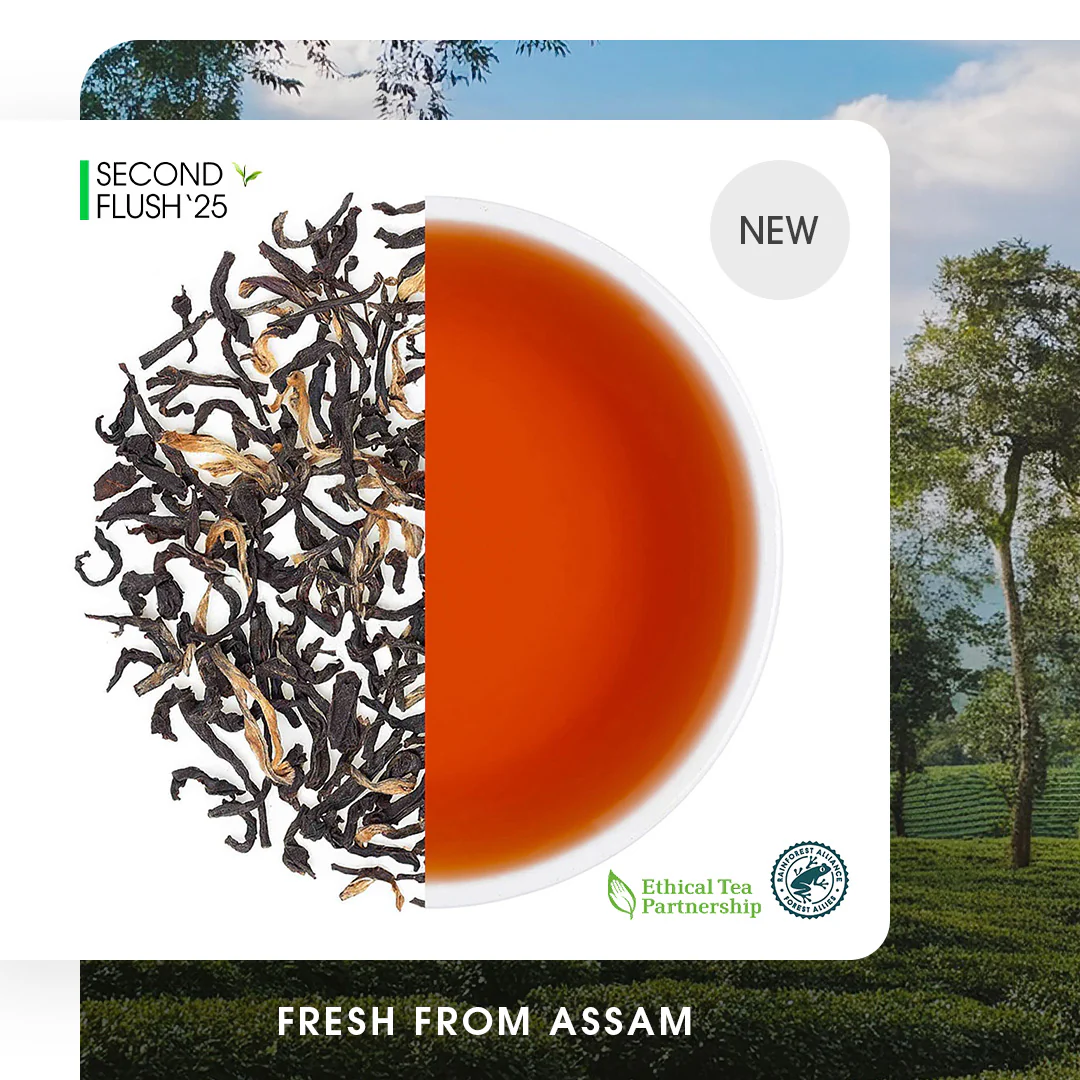
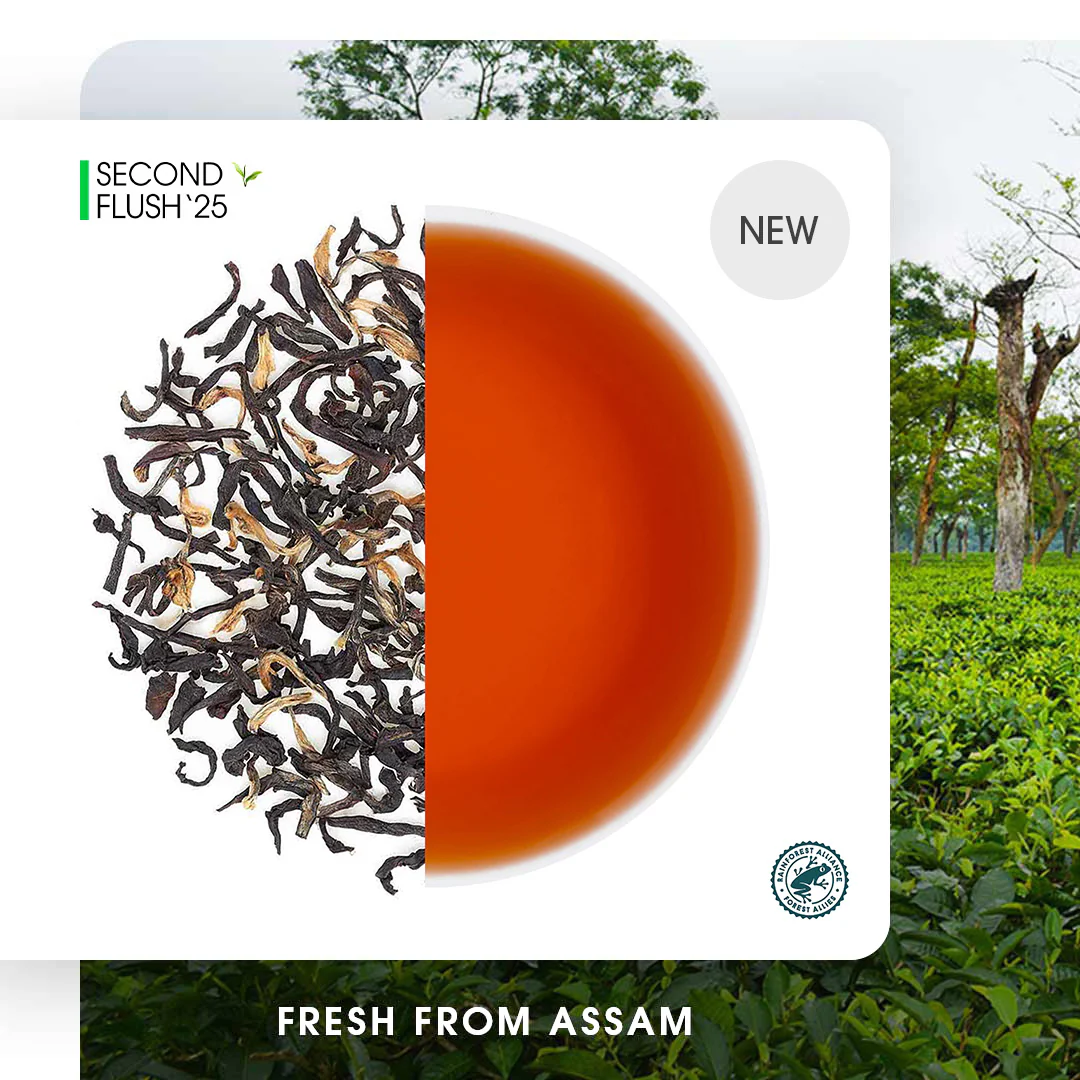
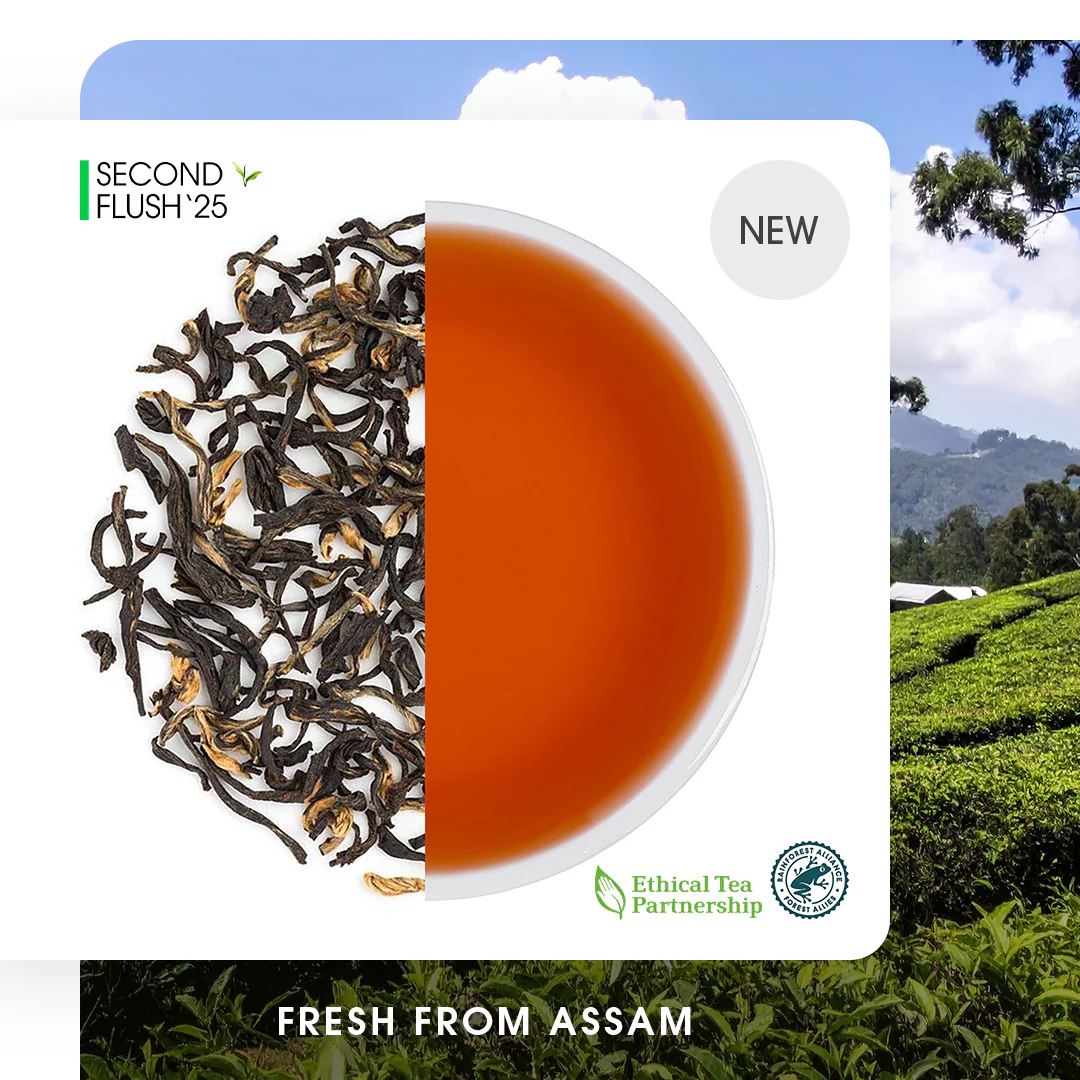
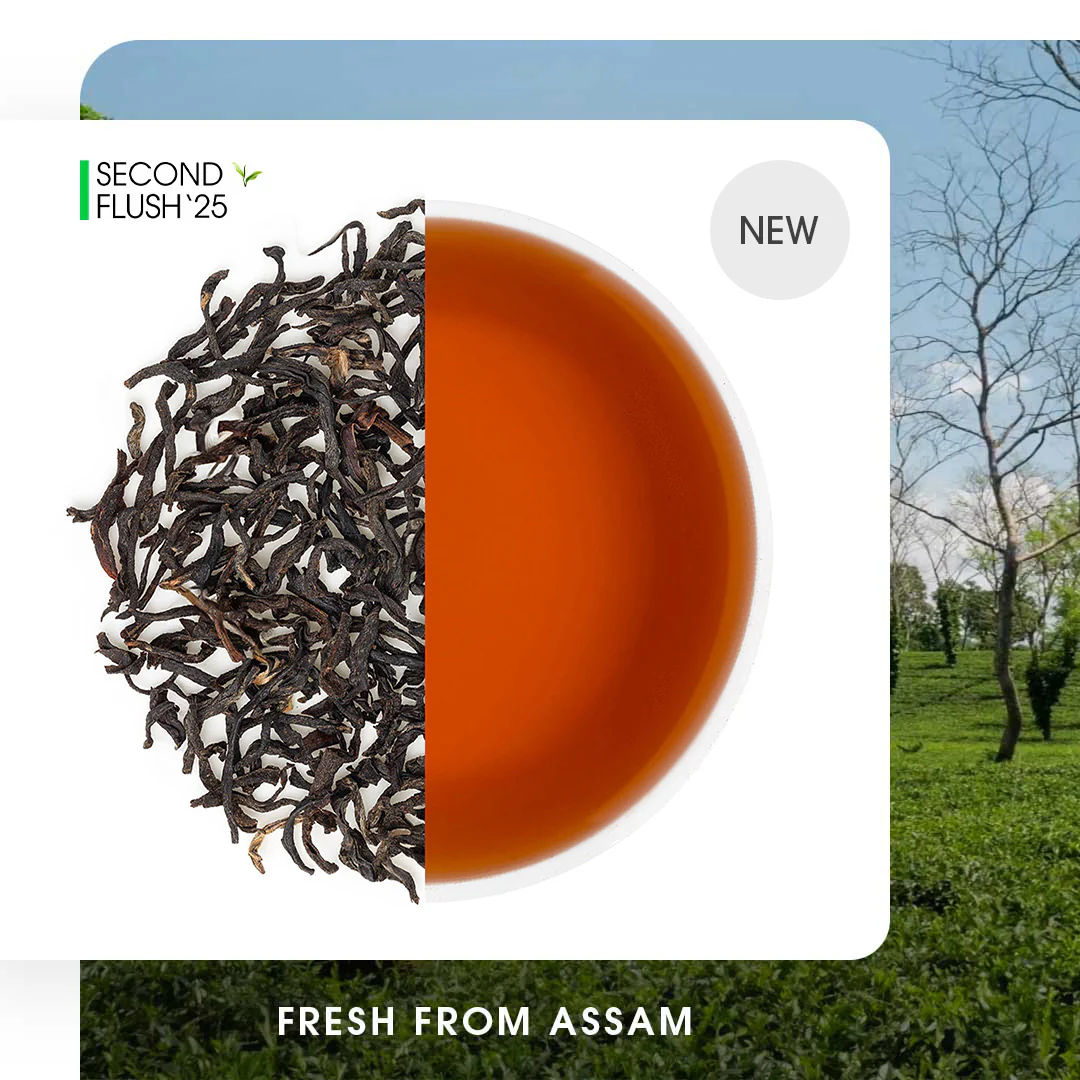
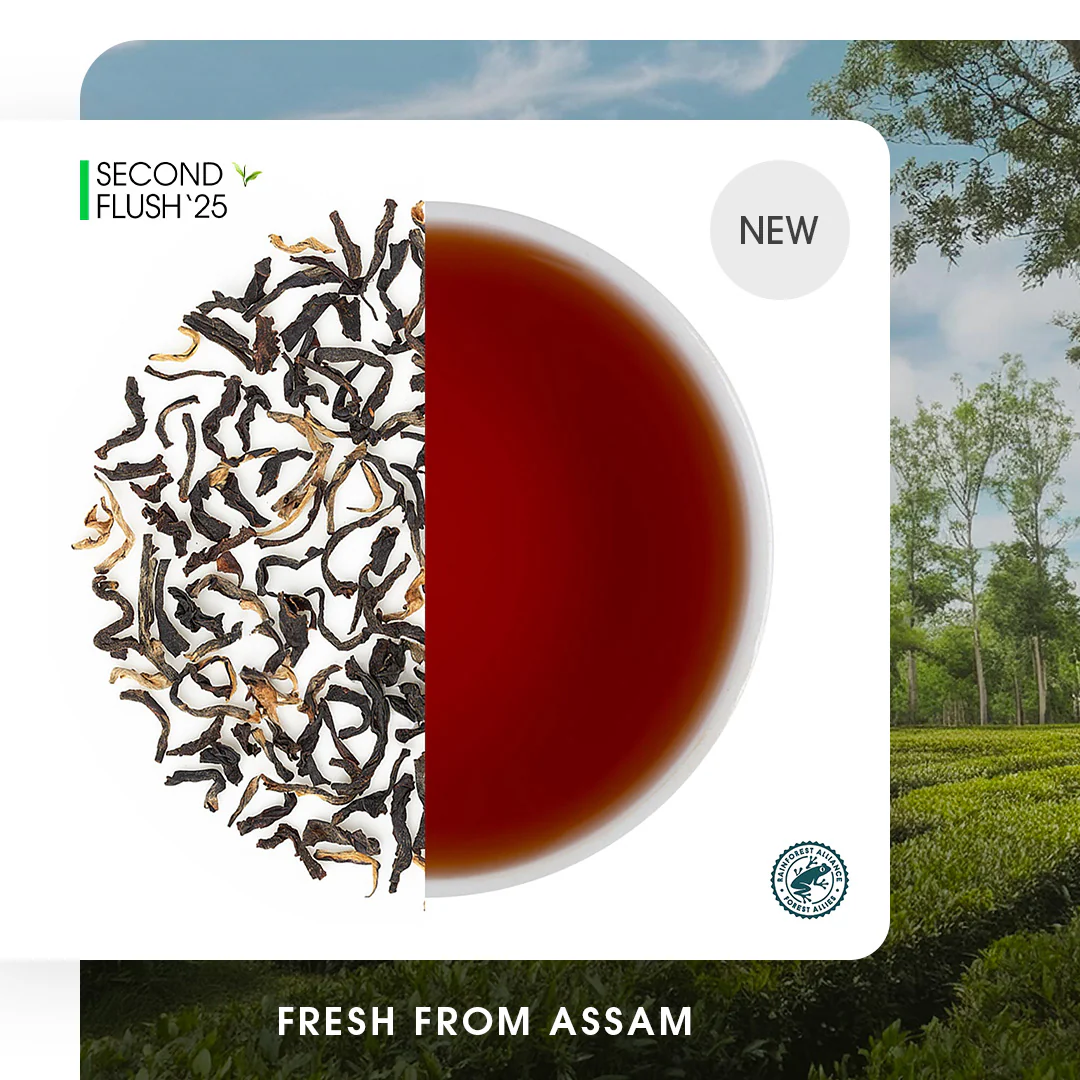
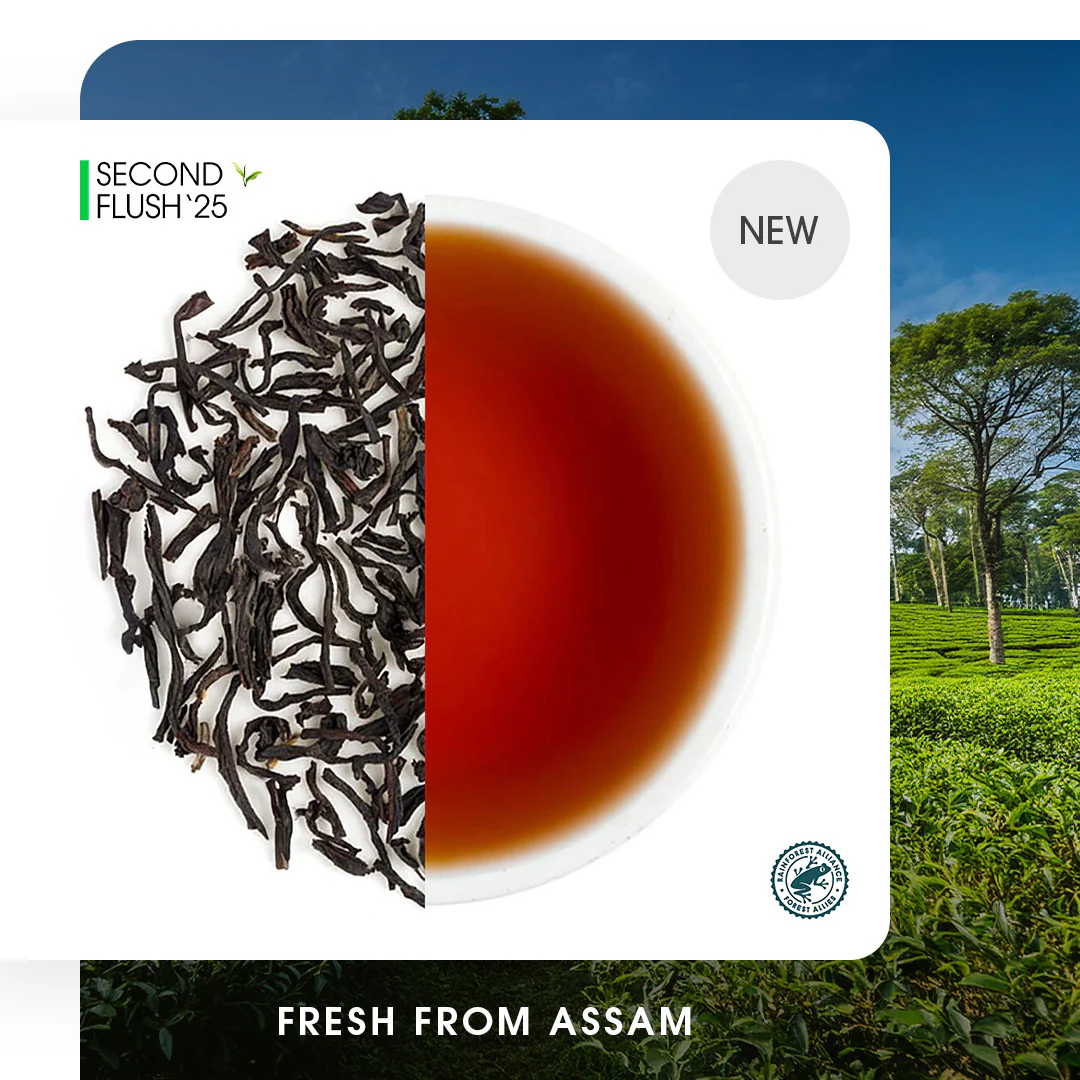
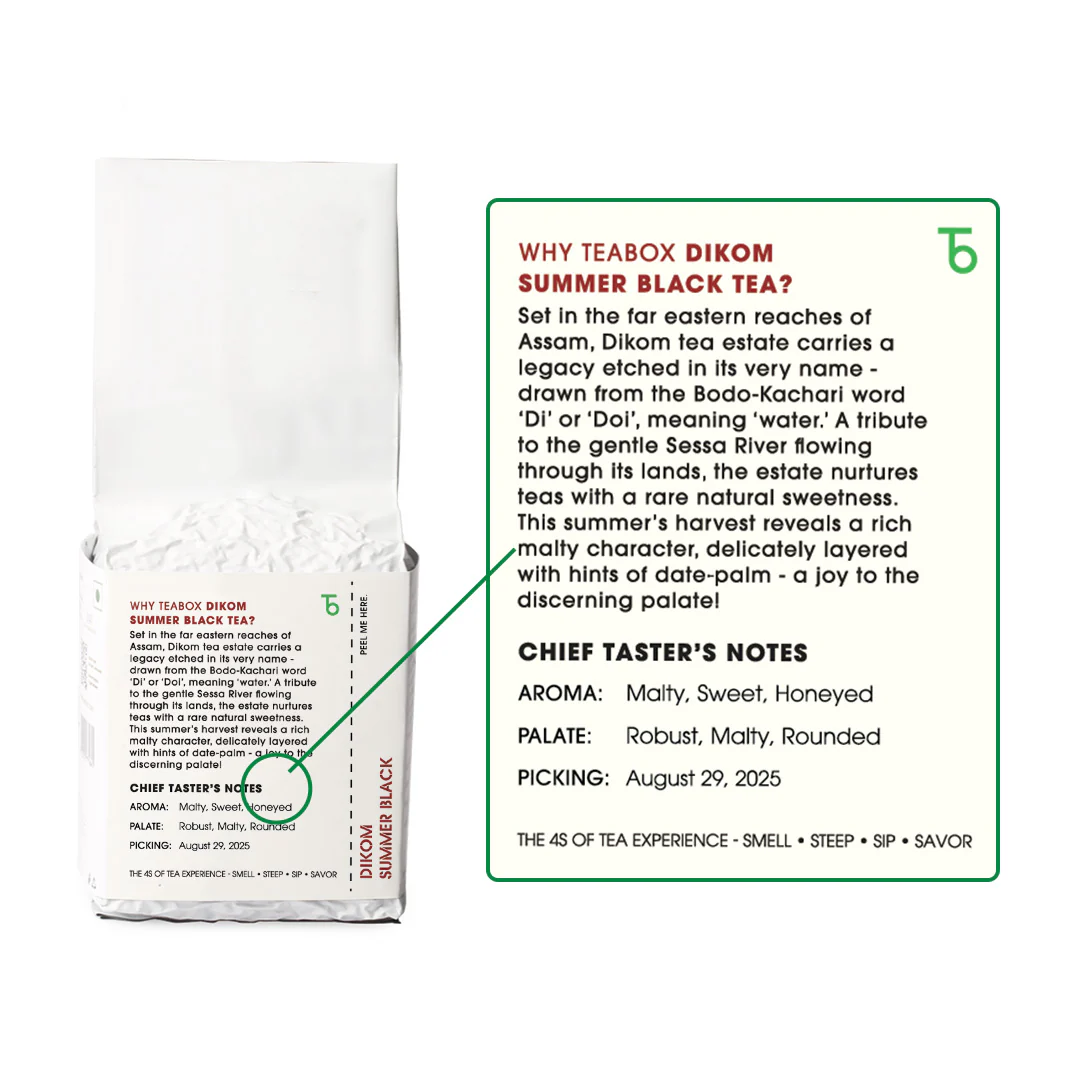
Nestled in the heart of Assam’s famed tea country, Dikom Tea Estate stands as a living legacy of history and craftsmanship. Established in 1875 by Dutch settlers, the garden is deeply rooted in the native Camellia sinensis assamica bushes that flourish in its fertile soils. Its name is drawn from the Bodo-Kachari tribe, where ‘Di’ means water and ‘Kom’ means sweet—an ode to the Sessa River that winds through the estate, imparting a natural delicacy to its teas.
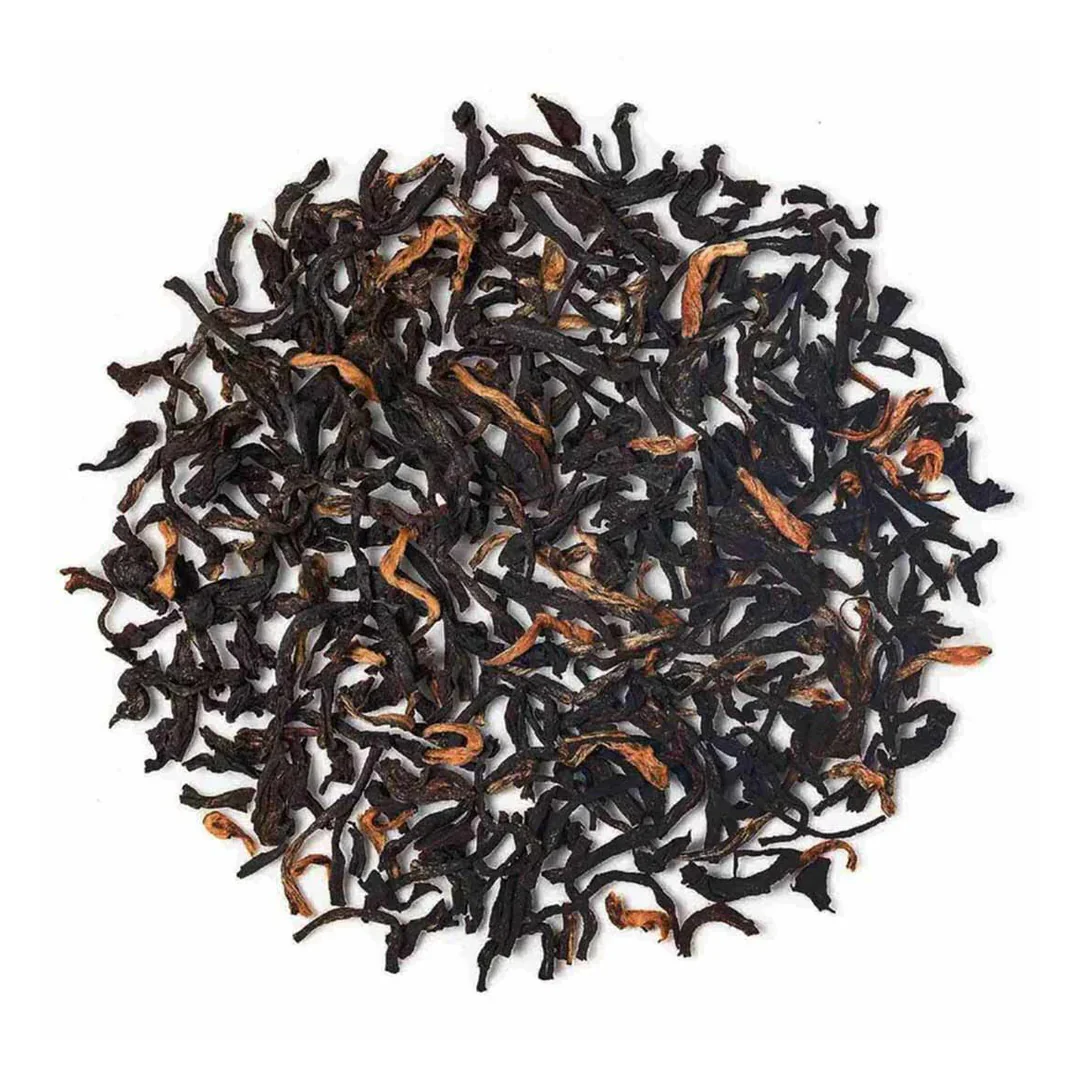
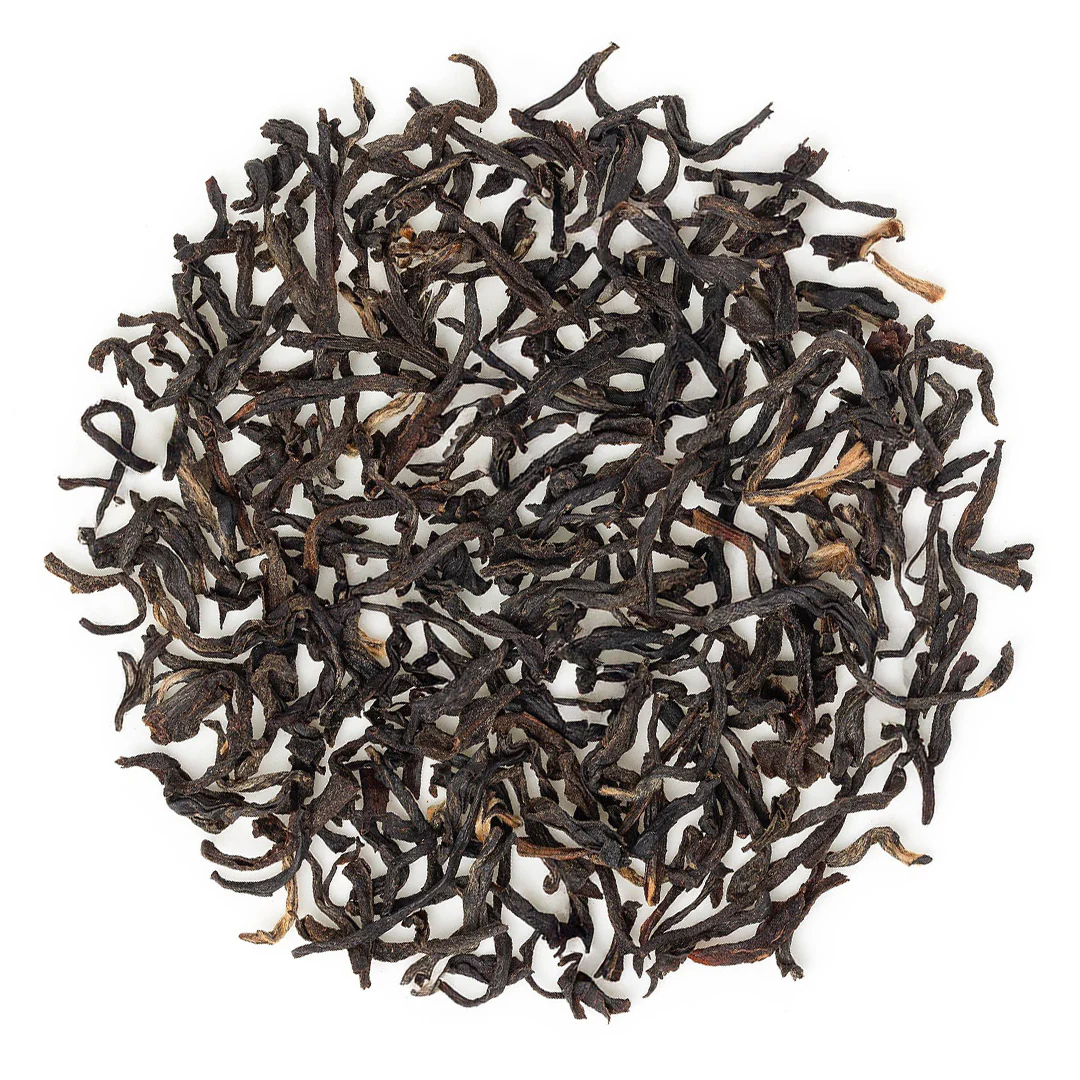
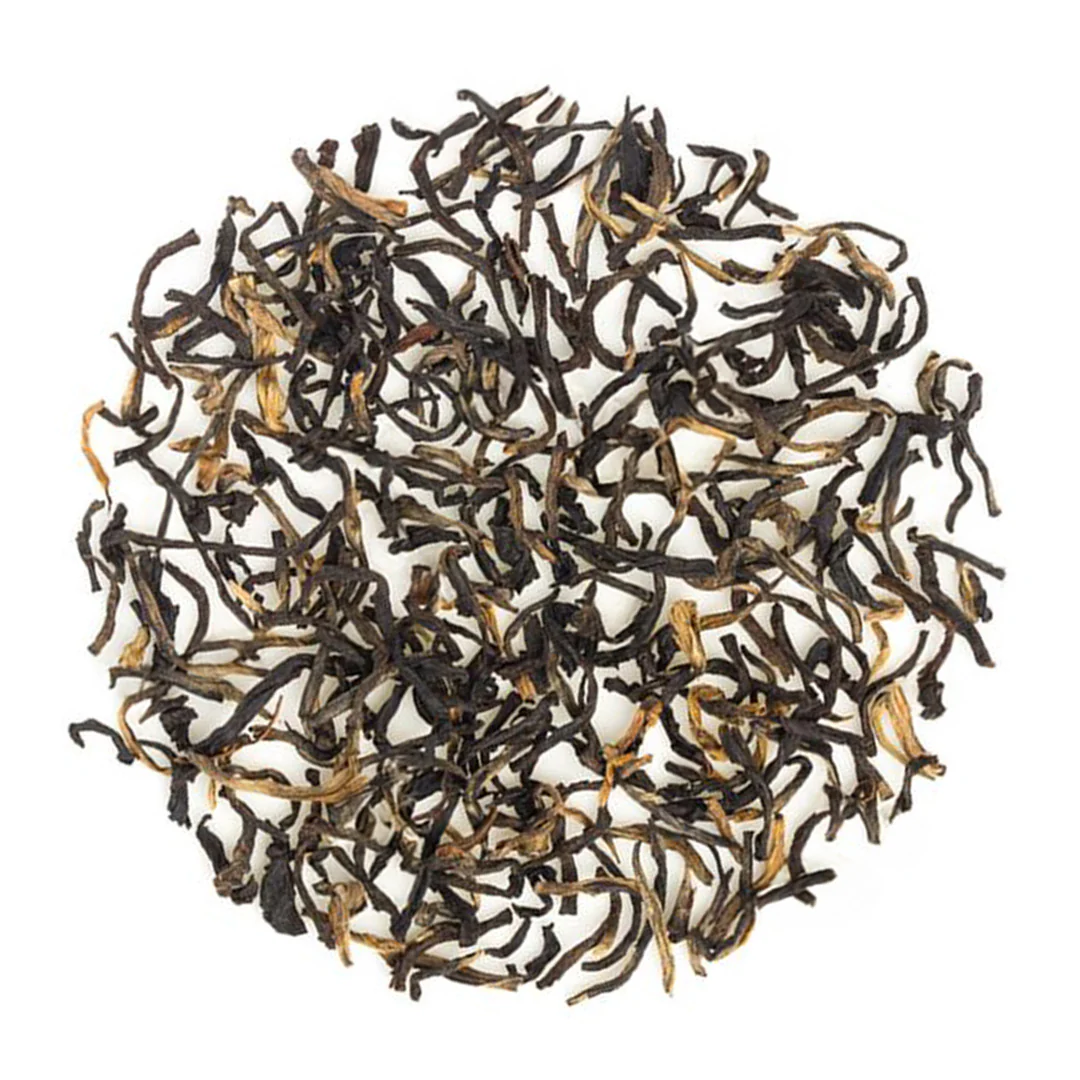
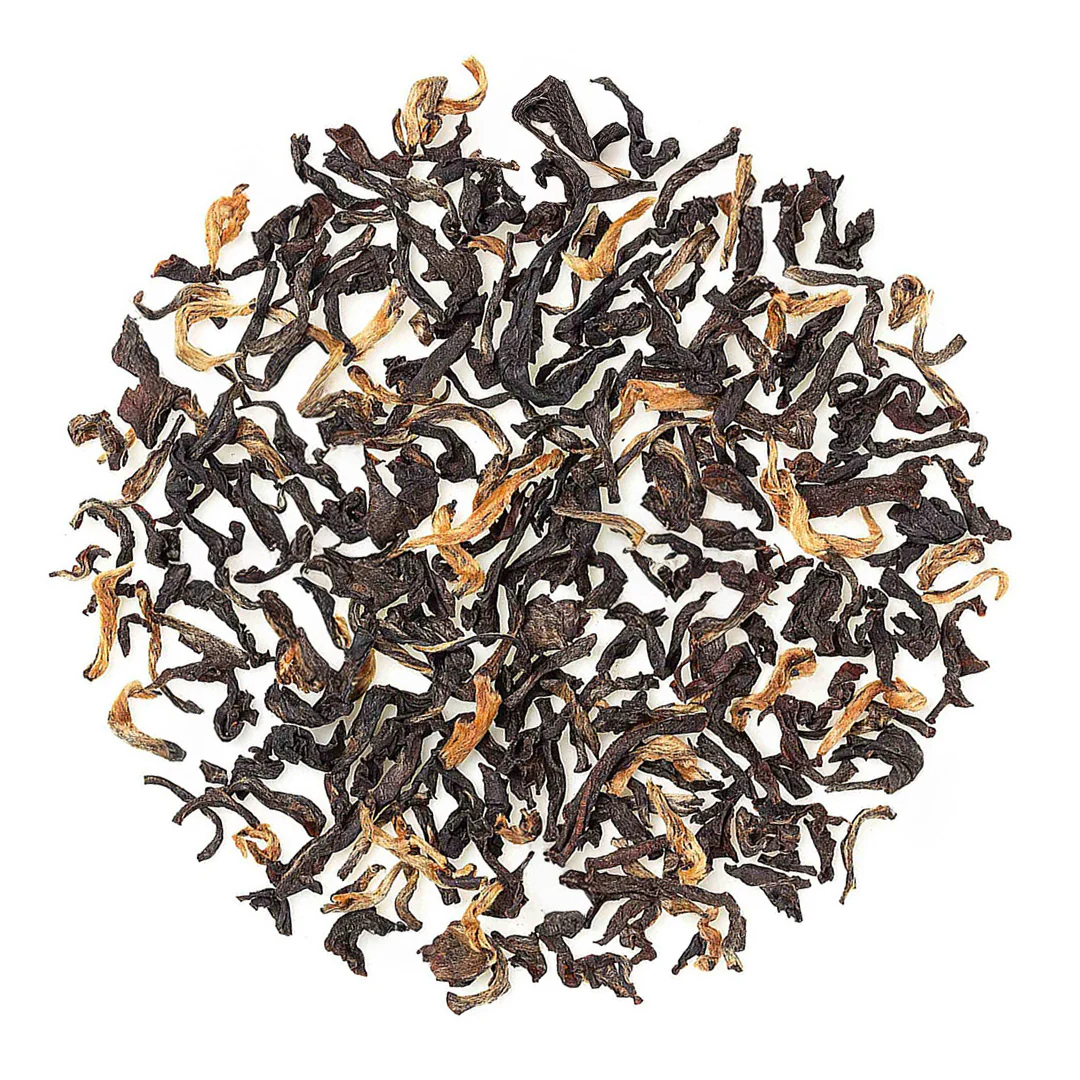
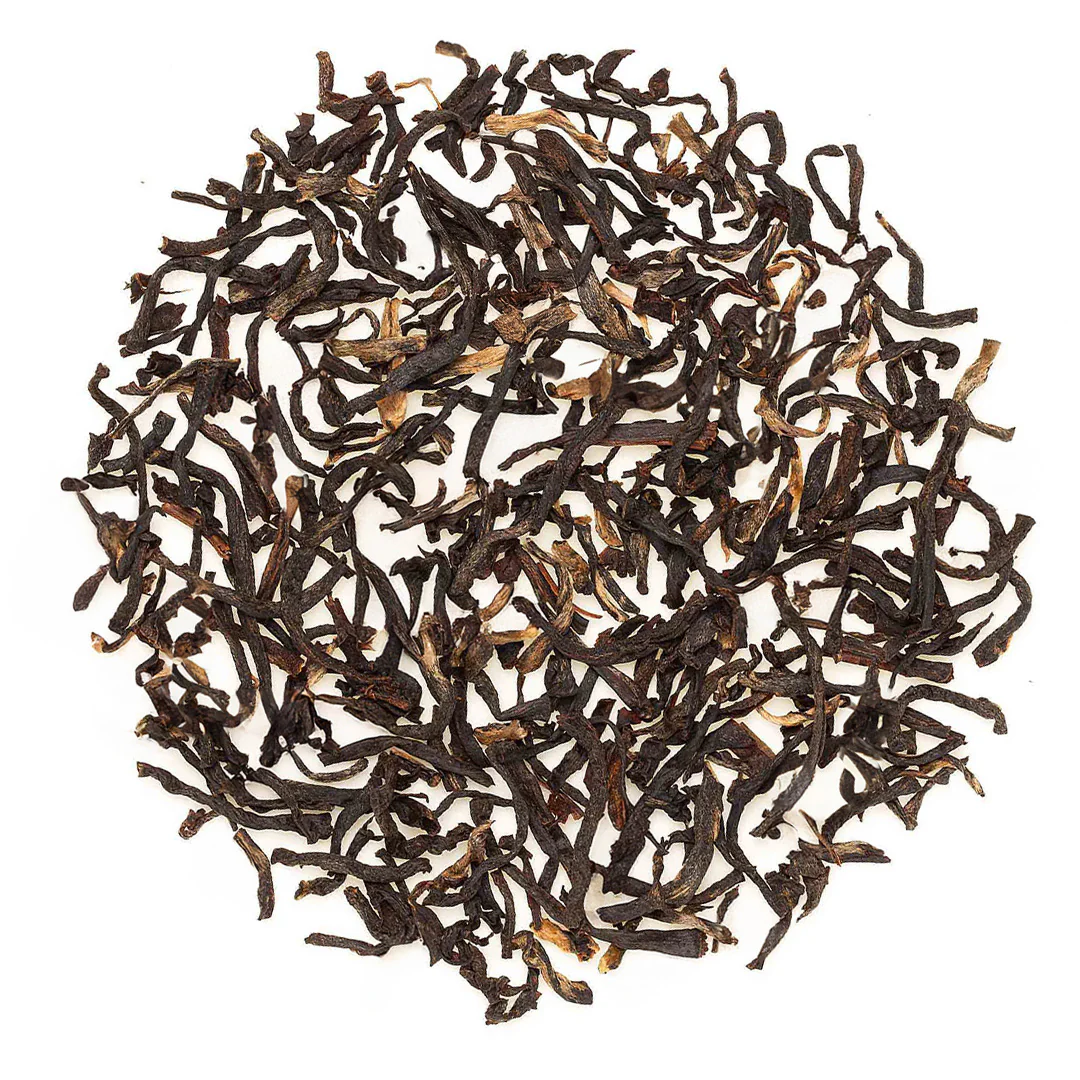
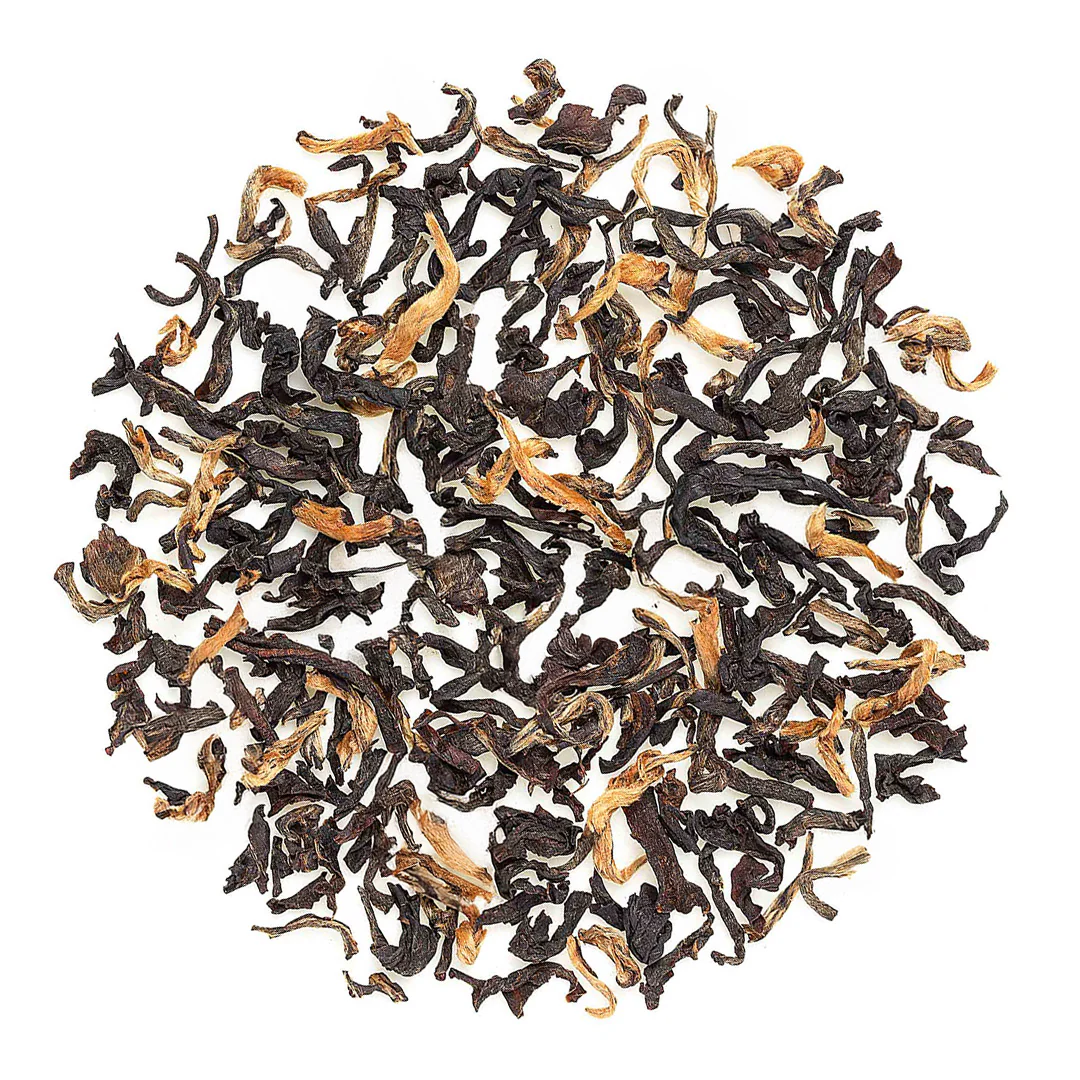
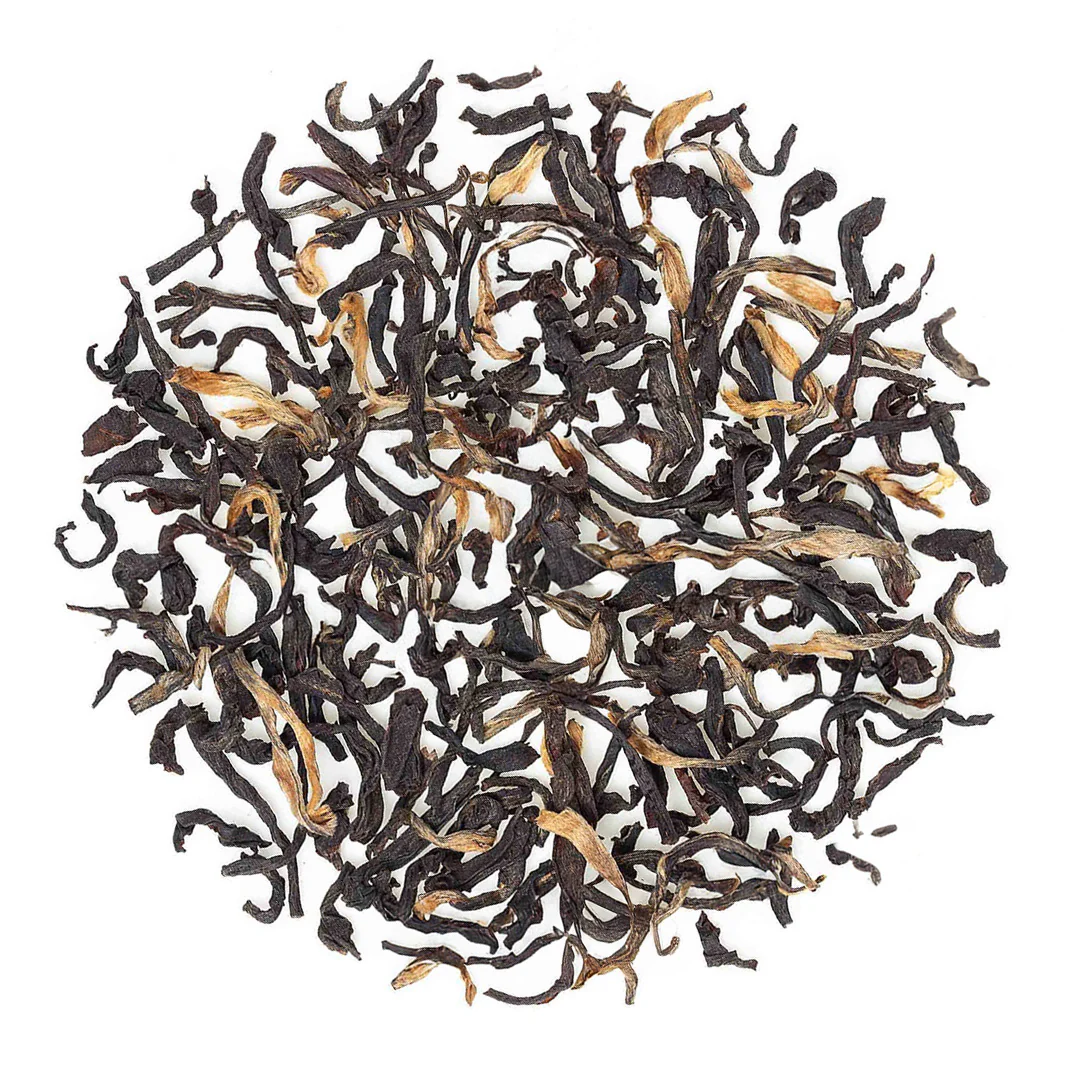
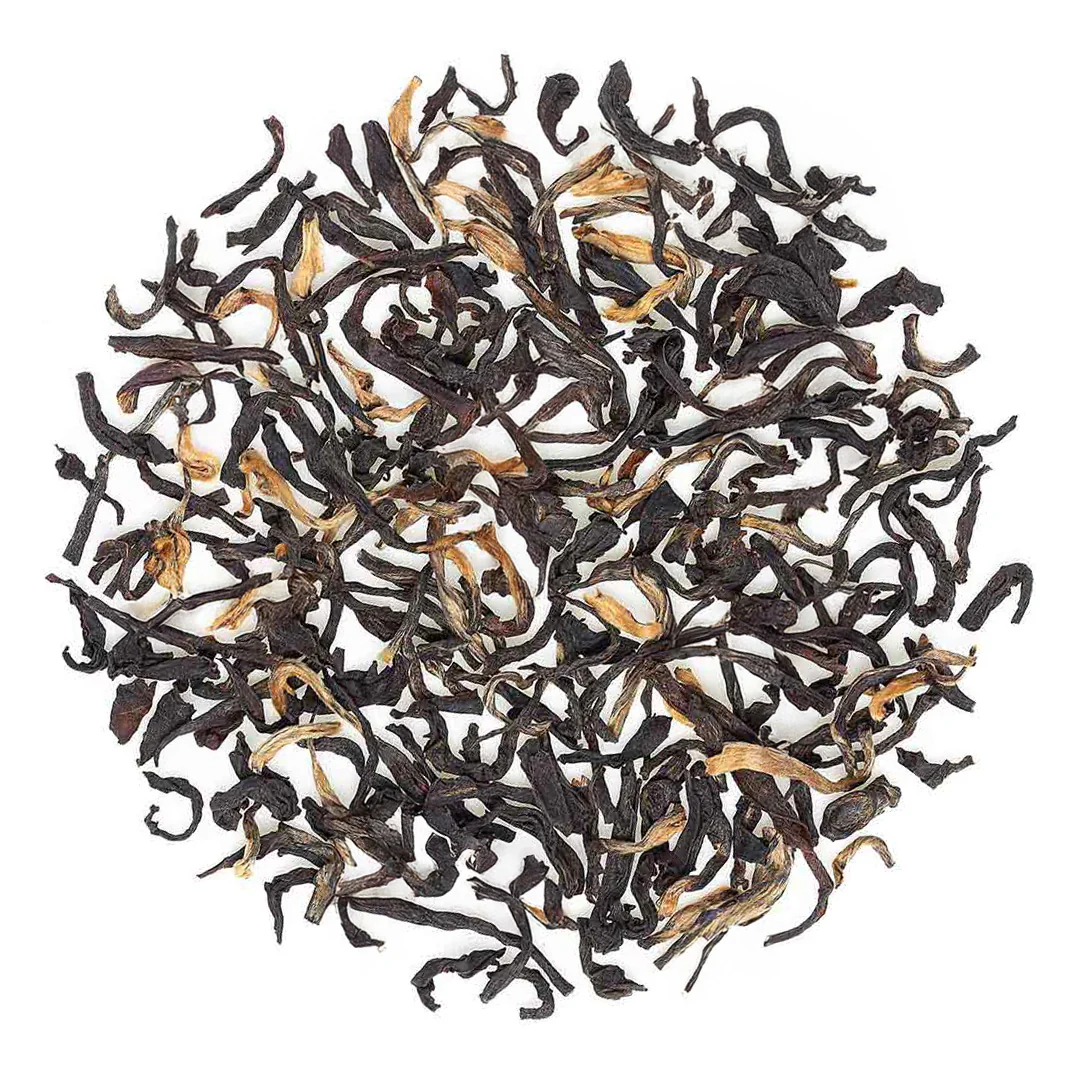
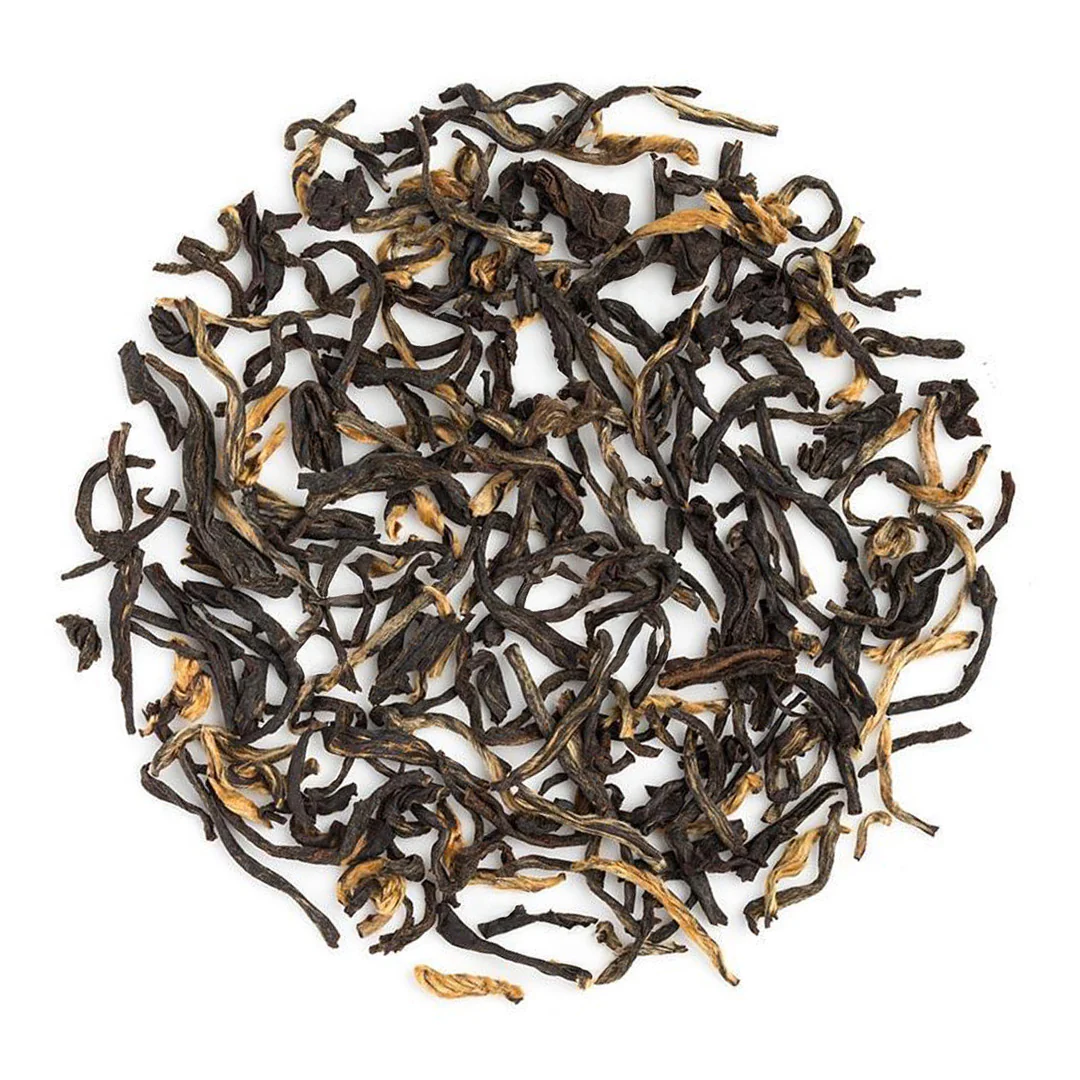
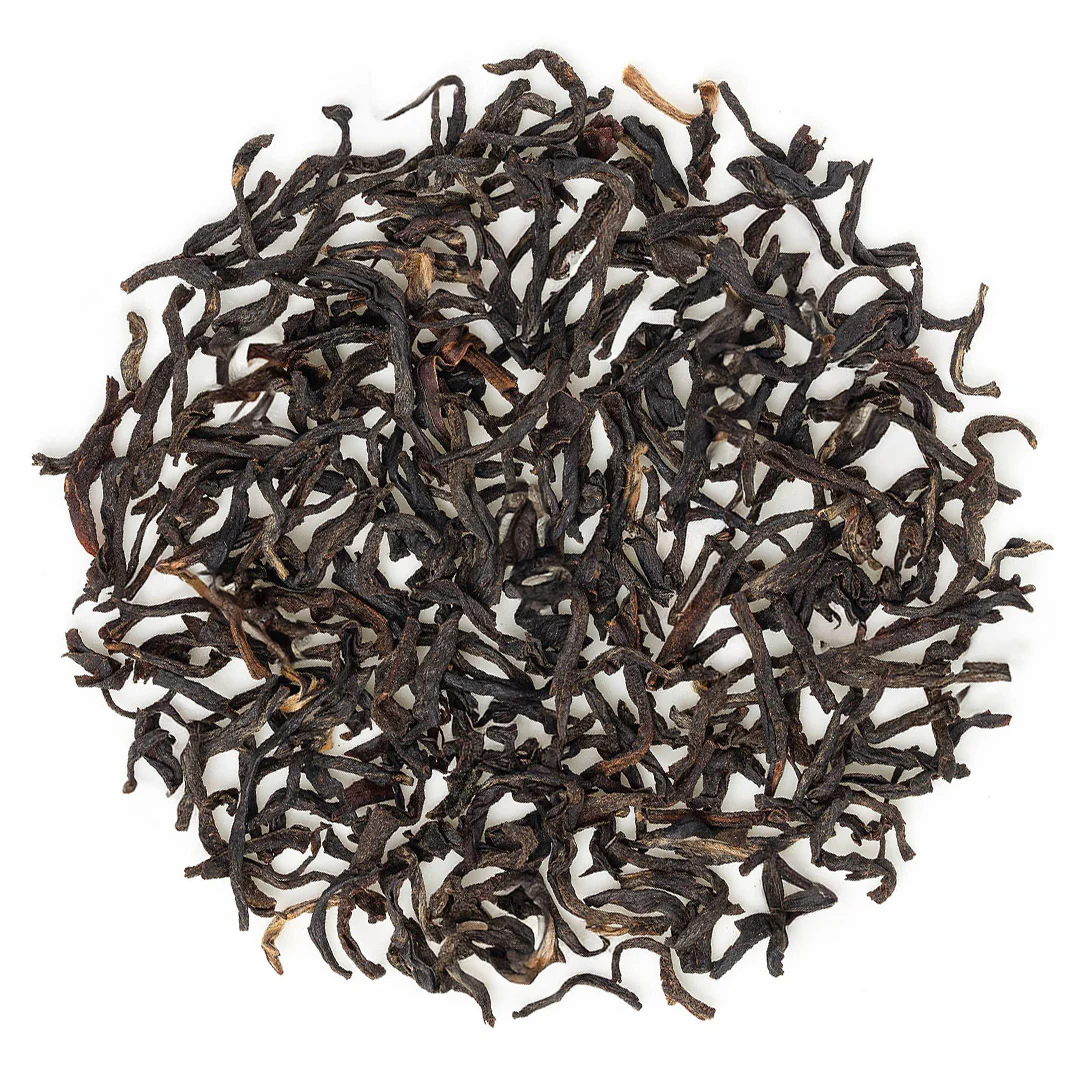
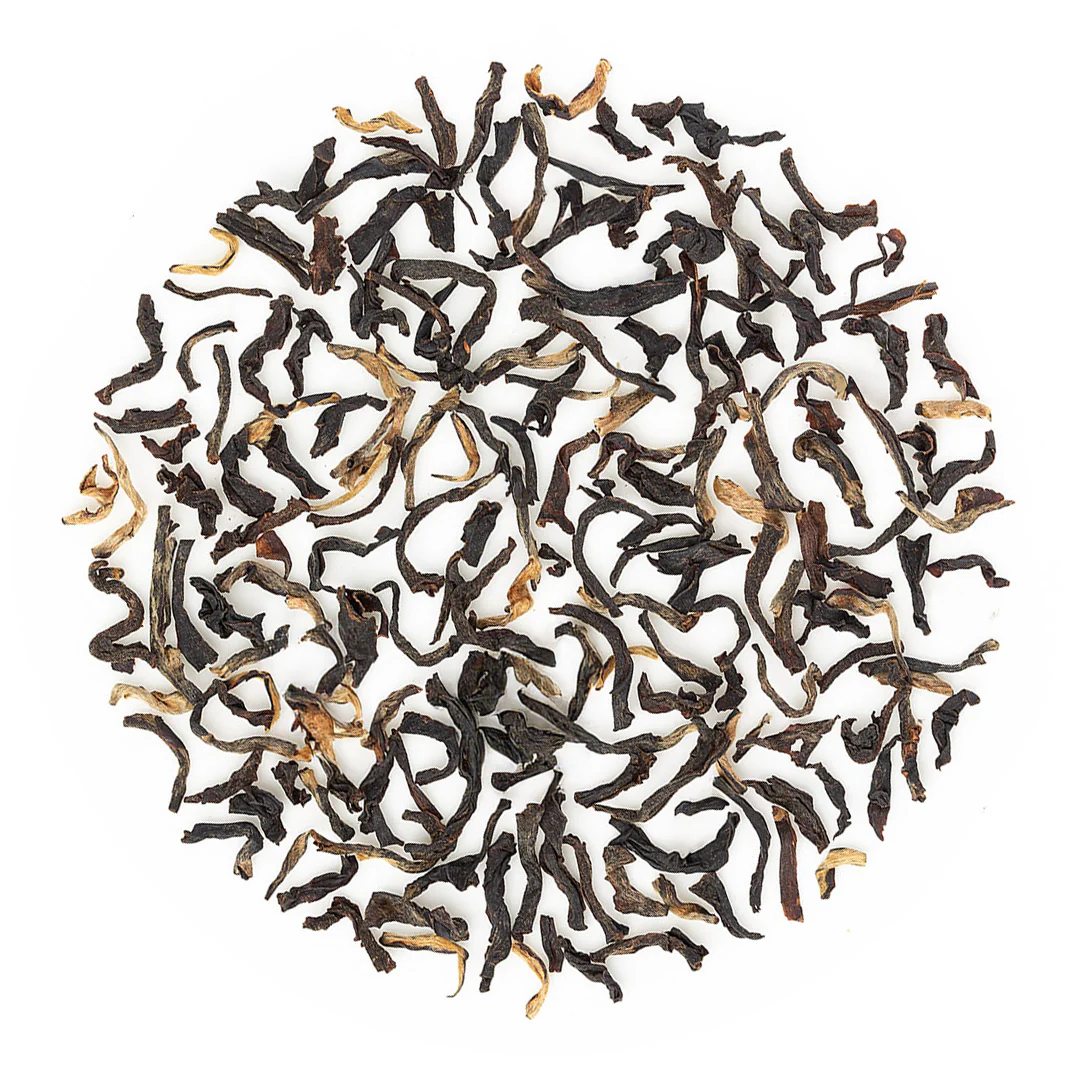
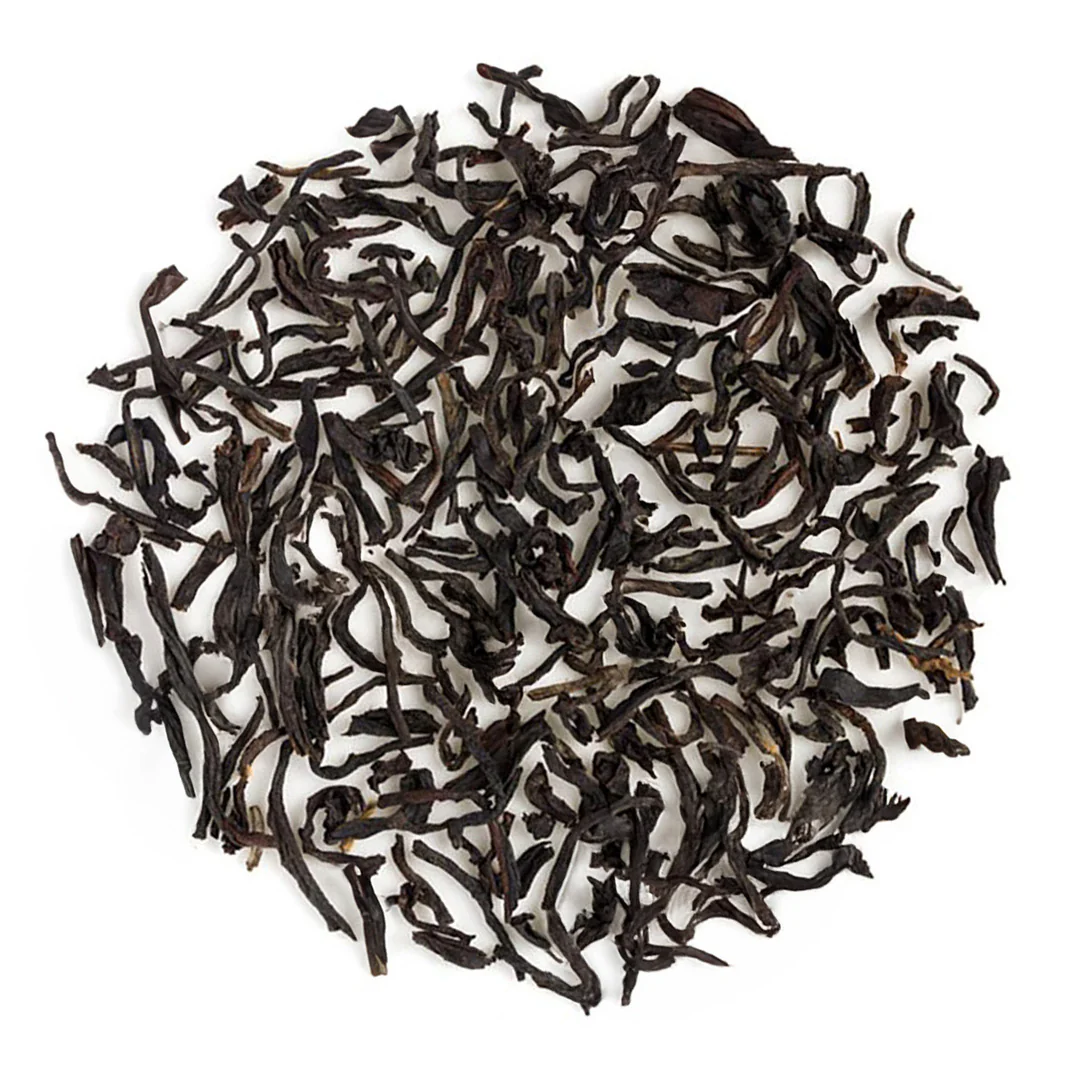
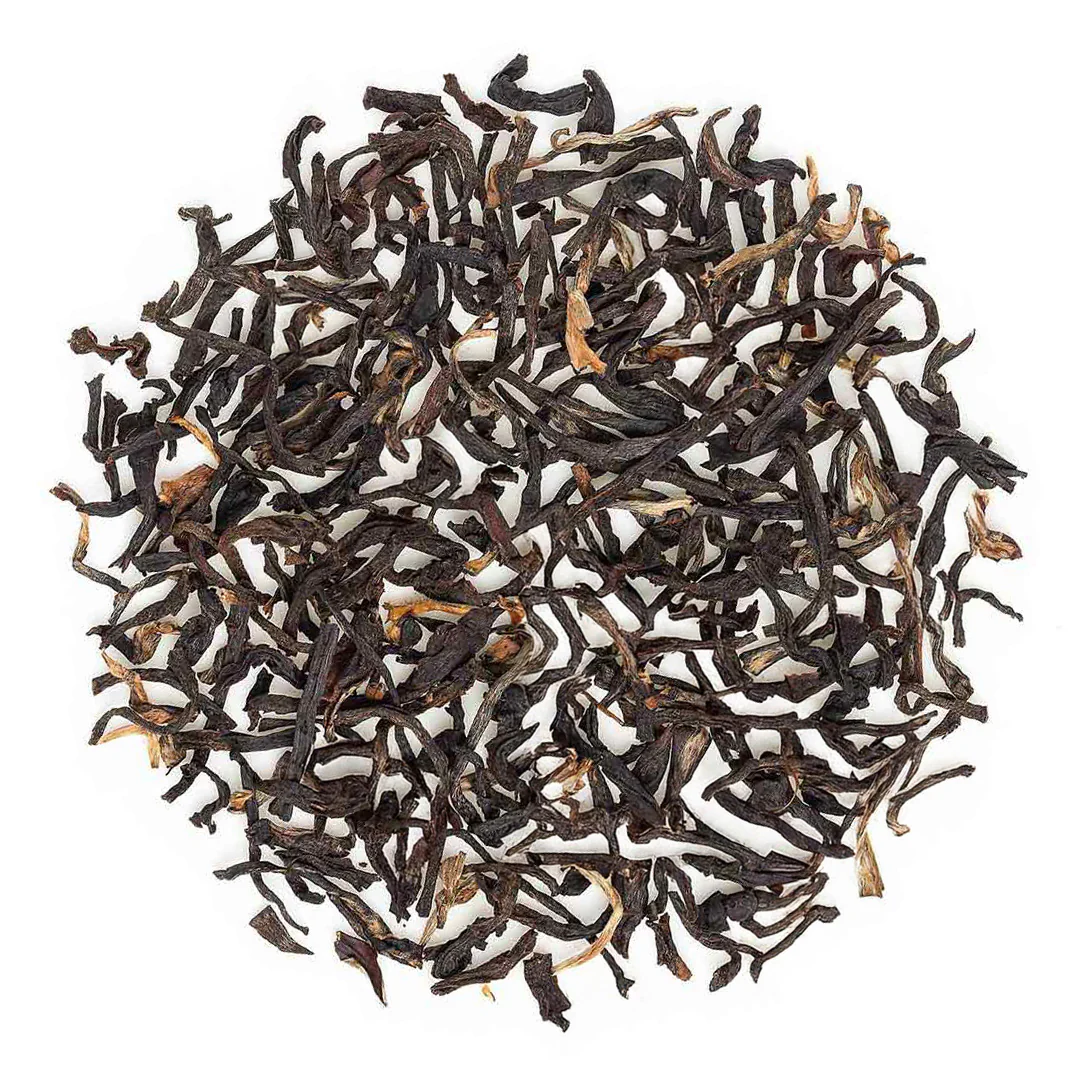
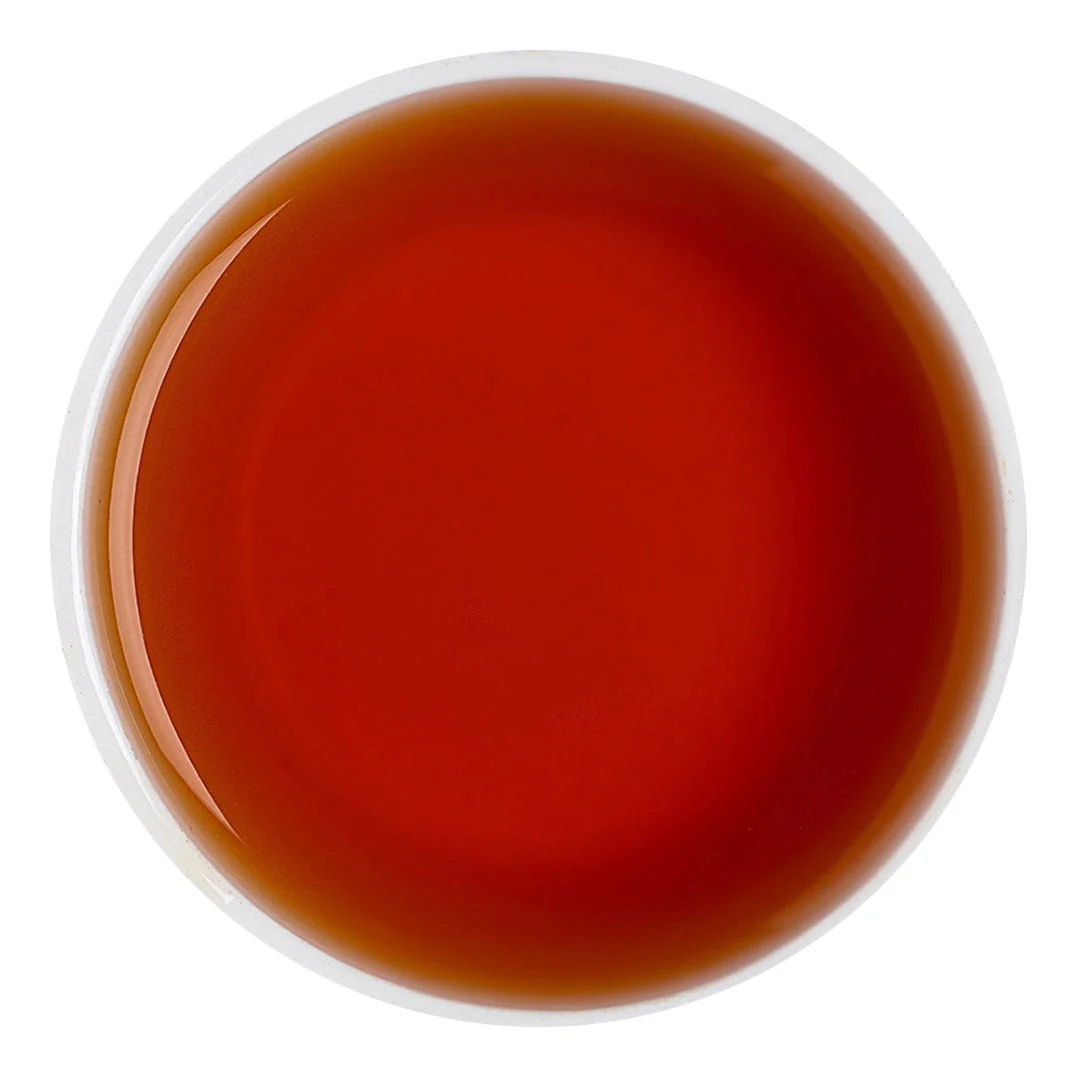
Today, nearly 70% of Dikom’s bushes are high-quality clones such as P126A, N436, S3A3, T3A3, CP1, and Tenali 17—each adding depth and distinction to the cup. Guided by meticulous practices like soil enrichment and integrated pest management, the estate consistently crafts bright, tippy Orthodox teas celebrated worldwide. With their hallmark malty strength, layered complexity, and a lingering hint of natural sweetness, Dikom’s teas remain a quintessential expression of Assam’s summer bounty.
Original: $12.99
-65%$12.99
$4.55More Images


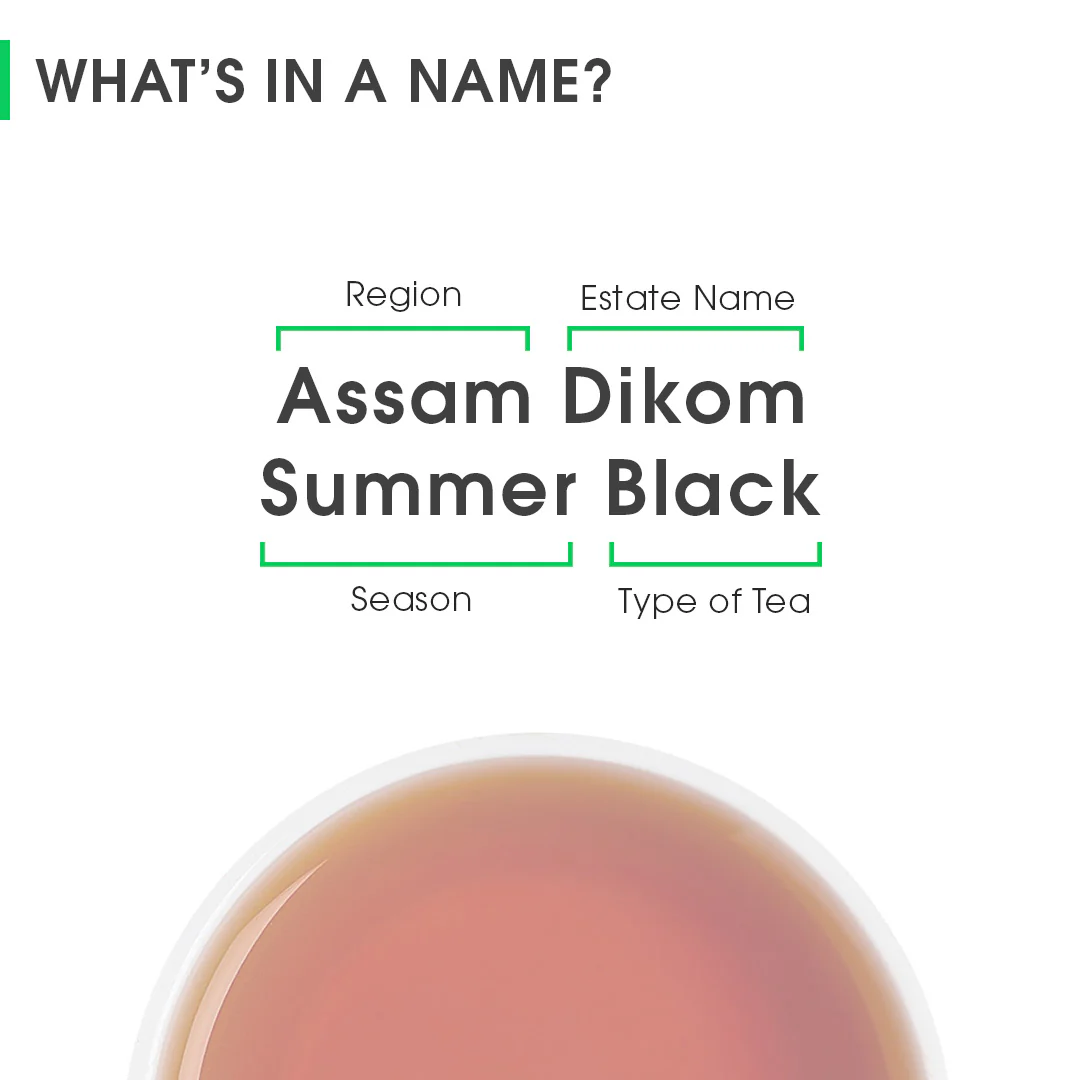
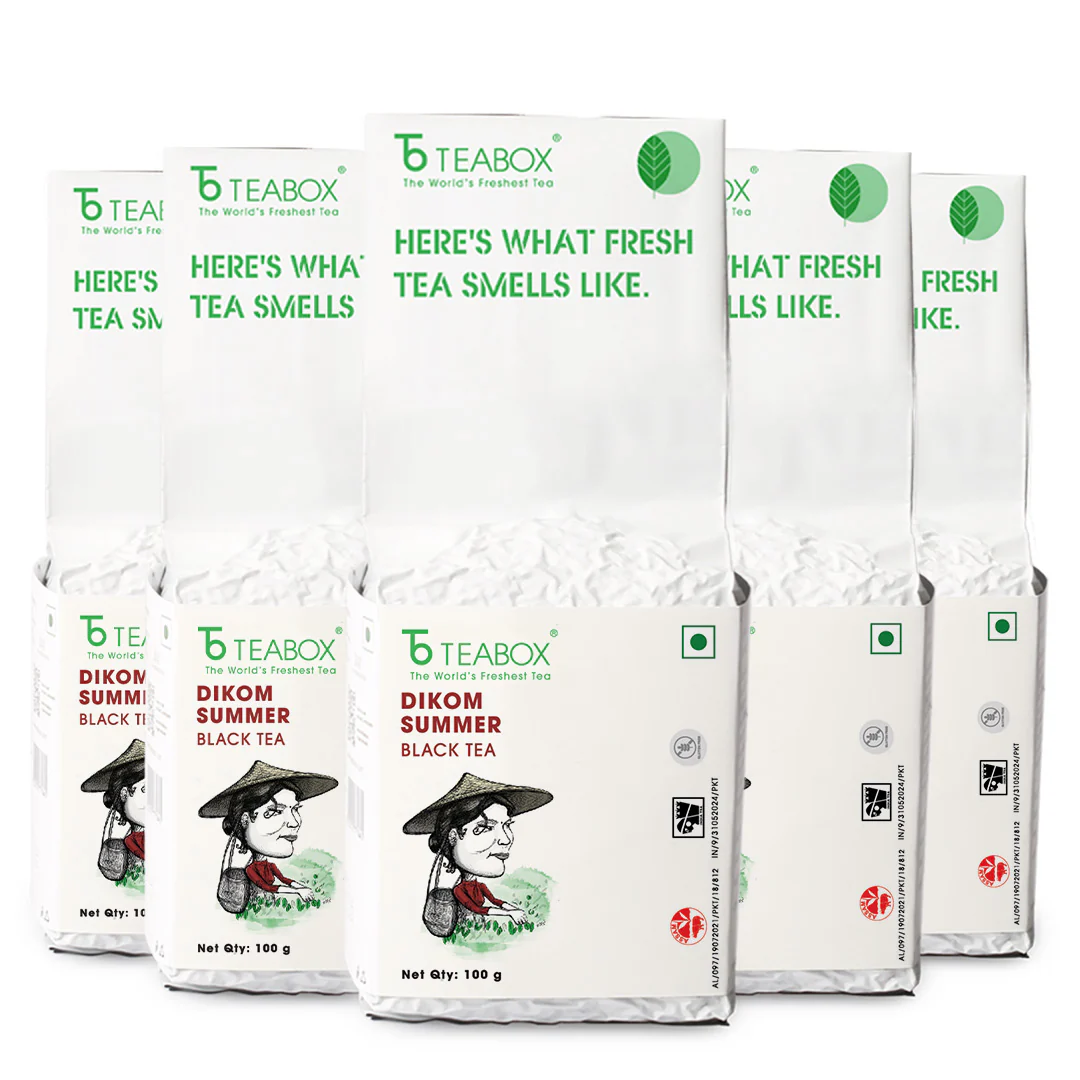
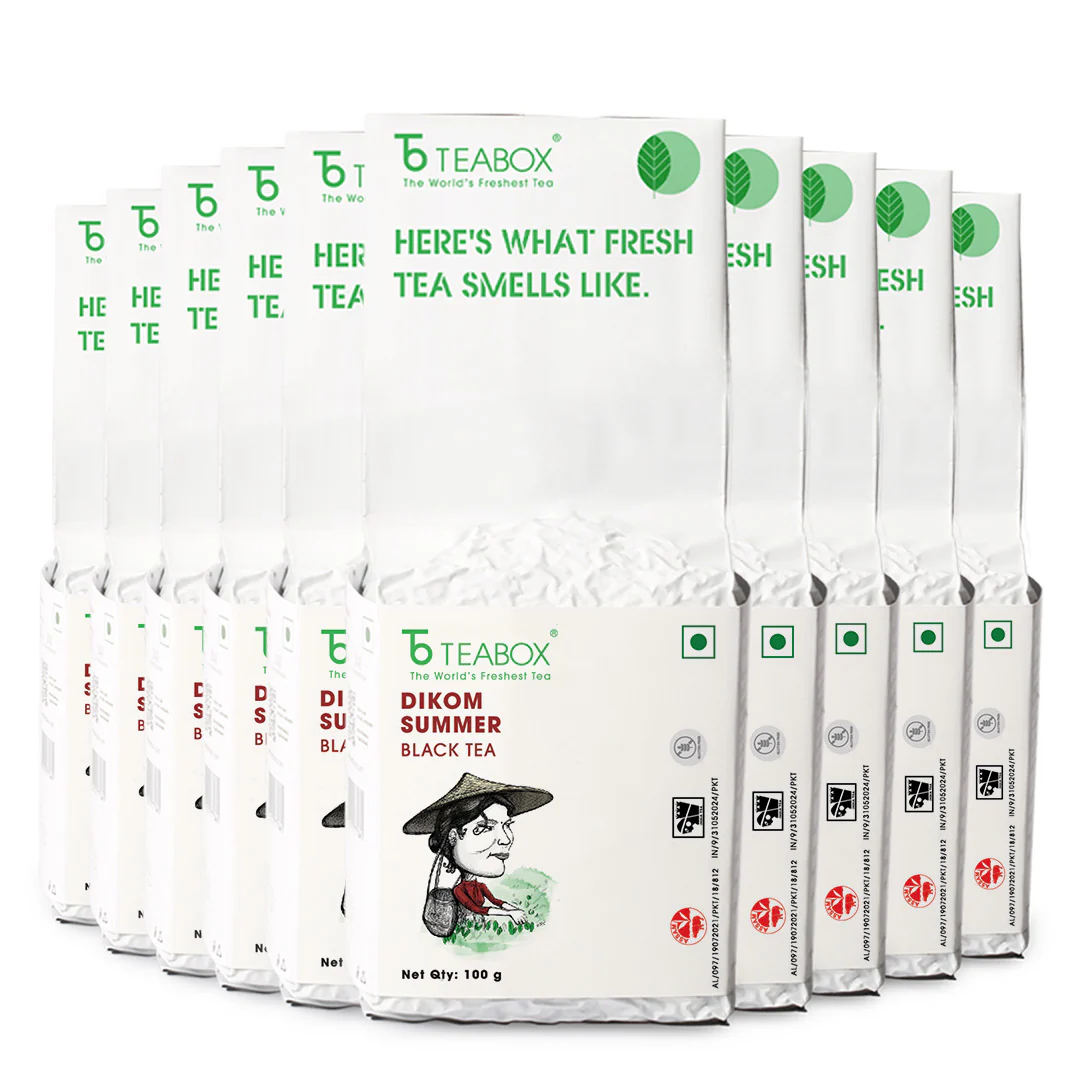
Assam Dikom Summer Black
Nestled in the heart of Assam’s famed tea country, Dikom Tea Estate stands as a living legacy of history and craftsmanship. Established in 1875 by Dutch settlers, the garden is deeply rooted in the native Camellia sinensis assamica bushes that flourish in its fertile soils. Its name is drawn from the Bodo-Kachari tribe, where ‘Di’ means water and ‘Kom’ means sweet—an ode to the Sessa River that winds through the estate, imparting a natural delicacy to its teas.
Today, nearly 70% of Dikom’s bushes are high-quality clones such as P126A, N436, S3A3, T3A3, CP1, and Tenali 17—each adding depth and distinction to the cup. Guided by meticulous practices like soil enrichment and integrated pest management, the estate consistently crafts bright, tippy Orthodox teas celebrated worldwide. With their hallmark malty strength, layered complexity, and a lingering hint of natural sweetness, Dikom’s teas remain a quintessential expression of Assam’s summer bounty.
Product Information
Product Information
Shipping & Returns
Shipping & Returns
Description
Nestled in the heart of Assam’s famed tea country, Dikom Tea Estate stands as a living legacy of history and craftsmanship. Established in 1875 by Dutch settlers, the garden is deeply rooted in the native Camellia sinensis assamica bushes that flourish in its fertile soils. Its name is drawn from the Bodo-Kachari tribe, where ‘Di’ means water and ‘Kom’ means sweet—an ode to the Sessa River that winds through the estate, imparting a natural delicacy to its teas.
Today, nearly 70% of Dikom’s bushes are high-quality clones such as P126A, N436, S3A3, T3A3, CP1, and Tenali 17—each adding depth and distinction to the cup. Guided by meticulous practices like soil enrichment and integrated pest management, the estate consistently crafts bright, tippy Orthodox teas celebrated worldwide. With their hallmark malty strength, layered complexity, and a lingering hint of natural sweetness, Dikom’s teas remain a quintessential expression of Assam’s summer bounty.